

Monthly Archives: December 2023
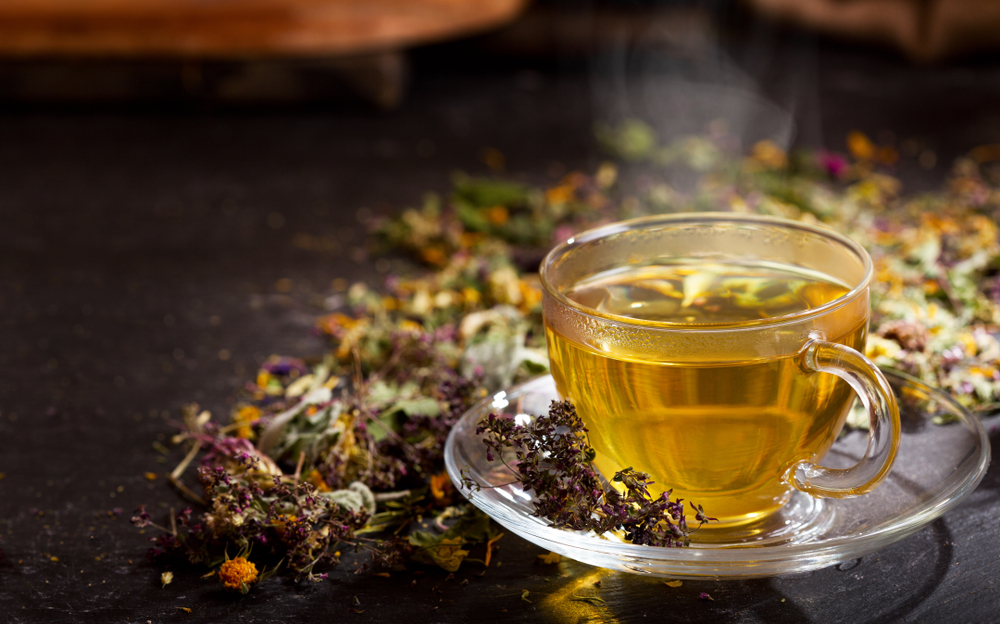
The Art of Herbal Teas: How to Brew Medicinal Herbs for Warming Winter Infusions

As winter approaches, you may be wondering what you can do to warm yourself up naturally. One of the best ways to do this is by brewing herbal teas made from medicinal herbs. Not only are these teas delicious, but they also offer a range of health benefits that can help you stay healthy through the colder months. In this blog, we will take a closer look at the art of herbal teas and how you can brew medicinal herbs to create warming winter infusions that will keep you feeling cozy and healthy all season long.
Brewing Winter Herbal Teas
Before we dive into the best herbs to use for winter teas, it’s important to know how to brew them. The key to brewing a great herbal tea is to use the right temperature and steeping time. Boiling water can destroy some of the medicinal properties of herbs, so it’s best to use water that’s just under boiling. For most herbs, steeping for 5-10 minutes is sufficient, but you can adjust this depending on your taste preferences.
Best Herbs To Use For Winter Teas
Now, let’s talk about some of the best herbs to use for winter teas. Ginger is one of the most popular options, as it is known to help soothe an upset stomach, reduce inflammation, and boost the immune system. Cinnamon is another great option, as it can help regulate blood sugar levels and has anti-inflammatory properties. Other herbs that can be used in winter teas include chamomile, which is great for promoting relaxation and sleep, and echinacea, which is known for its immune-boosting properties.
To make a ginger tea, simply grate a small piece of fresh ginger into hot water and steep for 5-10 minutes. You can add honey and lemon for extra flavor and health benefits. To make a cinnamon tea, add a cinnamon stick to hot water and steep for 10 minutes. You can also add honey or milk for a creamy, comforting brew. For chamomile or echinacea tea, steep a tea bag or loose leaves in hot water for 5-10 minutes.
Aside from these specific herbs, you can also create warming winter infusions using a variety of herbal teas. For example, a blend of peppermint, hibiscus, and rose hips makes for a delicious and refreshing winter tea that can help soothe cold symptoms. Rooibos tea blended with orange peel, cloves, and vanilla creates a warming and cozy brew that’s perfect for sipping by the fire on a cold winter night.
Staying Healthy And Cozy During Winter
Brewing herbal teas is a great way to stay healthy and cozy during the winter months. Whether you’re looking to soothe an upset stomach, boost your immune system, or simply warm up, there’s an herb out there for you. Remember to use water that’s not quite boiling and steep for the right amount of time to get the most out of your herbs. With a little bit of practice and experimentation, you’ll be a master of herbal teas in no time. So go ahead, brew up a pot of your favorite herbs, and enjoy all the warm and cozy benefits they have to offer this winter.

Revived By Roots Guide to Holiday Stress: Natural Remedies for Relaxation
The holiday season is typically a time for festive parties, family gatherings, gift-giving, and a time for joy and happiness. However, with all the season’s stresses like planning parties, shopping for gifts, and hosting guests, it can quickly turn into a season of stress and anxiety. The good news is that there is a myriad of natural remedies for relaxation that you can use to help ease your mind, and reduce stress and anxiety throughout the holiday season. In today’s Revived By Roots guide, we’ll explore some of the most effective natural remedies for relaxation.
A Guide to Natural Remedies for Relaxation
Essential Oils
One popular natural remedy for relaxation is the use of essential oils. Essential oils like lavender, chamomile, and peppermint are great for reducing stress and promoting relaxation. You can use these oils in various ways such as inhaling them through a diffuser, adding them to your bathwater, or putting a few drops on your pillowcase.
Herbal Remedies
Herbal remedies like green tea, passionflower, and valerian root are also excellent natural remedies for relaxation. These herbs help to calm the mind, reduce anxiety and promote relaxation. You can take these herbs in tea form or as a supplement in capsule form.
Exercise
Exercise is a great natural remedy for relaxation. When you exercise, your body produces endorphins, which are natural mood boosters that help to reduce stress and anxiety. Exercise also helps to improve your sleep quality and promote relaxation. You can choose to do any form of exercise that you enjoy such as walking, running, swimming, or yoga.
Meditation and Breathing Techniques
Meditation and breathing techniques are great techniques to help reduce stress and promote relaxation. When you meditate, you focus your mind on the present moment, which helps to calm the mind and reduce anxiety. Breathing techniques such as diaphragmatic breathing also help to promote relaxation by reducing physical tension and slowing down the heart rate.
Nutrition
Finally, nutrition plays a significant role in promoting relaxation. Eating a balanced diet that comprises of whole foods, plenty of fresh fruits and vegetables and lean proteins, helps to reduce stress and anxiety. Foods like berries, nuts, and leafy greens are great sources of antioxidants and vitamins that help to boost your mood and promote relaxation.
Relaxation During the Holidays
The holiday season can be a stressful time, but with the right mindset and natural remedies, you can make the season joyful and relaxing. If you’re looking to reduce stress and anxiety during the holidays, Revived By Roots natural remedies for relaxation are an excellent place to start. Combine these remedies, like essential oils, exercise, and good nutrition, to achieve optimal results. Remember, self-care and relaxation should be a priority, not a luxury.