


Uncategorized

Natural Defenders: Integrating Traditional Herbs into Modern Cancer Prevention

The omnipresent specter of cancer looms large in modern society, casting a shadow that touches every family in some way or another. Cancer prevention is a topic of critical importance, sparking a plethora of research and innovations. Amidst the technological advancements and burgeoning medical breakthroughs, there exists a timeless repository of knowledge that humankind has leaned on for centuries – traditional herbs.
Before the rise of synthetic pharmaceuticals, civilizations from the East to the West relied on the healing properties of various flora. Today, we find ourselves circling back to these natural defenders in our quest for cancer prevention. In this exploration, we shed light on traditional herbs that could play a role in bolstering our body’s defenses against cancer.
Exploring the Botanical Armory
Turmeric (Curcuma longa)
The bright yellow spice, turmeric, is celebrated in the Asian subcontinent for its culinary and medicinal prowess. At the heart of turmeric’s healing attributes lies curcumin, a potent antioxidant and anti-inflammatory agent. Research suggests that curcumin may have a role in suppressing the initiation, progression, and spread of cancer.
Garlic (Allium sativum)
Garlic, known for its pungent flavor, is equally potent in its potential to ward off cancer. Allicin, its main active compound, is a renowned cancer fighter. Clinical studies have indicated that regular and significant consumption of garlic is associated with a reduced risk of various cancers, particularly those of the digestive system.
Ginger (Zingiber officinale)
This knotted rhizome is a stalwart in traditional medicine, touted for its ability to soothe the stomach and strengthen the immune system. Beyond its anti-nausea properties for cancer patients undergoing treatment, gingerol, the bioactive compound in ginger, has exhibited anti-inflammatory and anti-cancer effects in both lab and animal studies.
Holy Basil (Ocimum sanctum)
Referred to as “Tulsi” in its homeland, holy basil is a revered herb in the Indian Ayurvedic system. Research has highlighted its potential to protect against chemical-induced cancers. Its rich repertoire of phytochemicals may attribute to its anti-cancer properties, offering protection at various stages of cancer development.
Ginseng (Panax ginseng)
The esteemed status of ginseng in traditional Chinese medicine is well deserved, with modern science corroborating that it may inhibit tumor growth. Ginsenosides, the active ingredients in ginseng, have shown anti-proliferative effects in various cancer types. Additionally, ginseng is believed to support the body’s natural defenses against stress, a known factor in cancer development.
Milk Thistle (Silybum marianum)
Milk Thistle and its chief component, silymarin, are particularly celebrated for their role in liver health. Given the liver’s central role in detoxification, its well-being is paramount in cancer prevention. Research has indicated that silymarin may offer protection against certain cancers, especially those affecting the liver.
Astragalus (Astragalus membranaceus)
This herb has an established place in traditional Chinese medicine, typically used to bolster the immune system. In the context of cancer, astragalus is of interest due to its potential to ameliorate the side effects of conventional cancer treatments and enhance their effectiveness. It’s also believed to have direct anti-cancer activity by stimulating the immune response against cancer cells.
Echinacea (Echinacea purpurea)
Widely used to stave off the common cold, Echinacea is also reputed for its ability to activate the immune system against a variety of pathogens, including cancer. Polysaccharides inherent in Echinacea have shown promise in both preventing and combating cancer. Its immune-stimulating effect may help the body recognize and tackle cancer cells more effectively.
Integrating Traditional Wisdom in Modern Practices
The integration of traditional herbs into cancer prevention regimens is about complementing existing treatments with age-old allies that are replete with phytochemicals, which modern research increasingly highlights for their anti-cancer potential.
Herbal supplements may not be a panacea, but they can certainly provide a robust adjunct in a comprehensive cancer prevention strategy. The diversity of bioactive compounds found in traditional herbs offers multiple pathways through which cancer prevention and support can occur, be it through immune modulation, apoptosis induction (the programmed death of cancer cells), anti-angiogenesis (inhibiting the formation of blood vessels that tumors need to grow), or anti-metastatic properties.
However, a word of caution is in order. The use of herbs in cancer prevention and treatment is complex and must be overseen by healthcare professionals. Herbs can interact with pharmaceutical medications and may not be suitable for all cancer types or stages. Patient profiles, including their medical history and concurrent treatments, must be considered before incorporating herbal supplements into their regimen.
Cancer Prevention With Herbal Remedies
Before considering the integration of any herb into a cancer prevention or treatment plan, it is crucial to discuss it with a qualified medical practitioner. Knowledge of the herb’s interactions with common cancer medications, its impact on coexisting health conditions, and the appropriate dosage are all vital pieces of information that a healthcare provider can provide.
The sourcing of herbs is another critical consideration. Quality, purity, and ethical harvesting practices all influence the efficacy and safety of the herbal supplement. Look for reputable sources that provide transparency regarding the origins and production processes of their herbal products.
Lastly, the ‘more is better’ approach does not apply to herbal supplements, especially in the context of cancer where precision in treatment is paramount. Ensuring the correct dosage and treatment duration, as well as being vigilant for any adverse effects, is part and parcel of safe and effective herbal supplement use.
In conclusion, the potent synergy of traditional herbal knowledge and modern medical expertise can carve a path towards more holistic and personalized cancer prevention and treatment. Herbs, with their rich medicinal legacies, are an invaluable resource, awaiting with open arms in the quest against cancer. By weaving these natural defenders into our approach, we champion not only lineage of time-tested wisdom but an innovative strategy for a collective and sustainable battle against one of humanity’s most formidable foes.
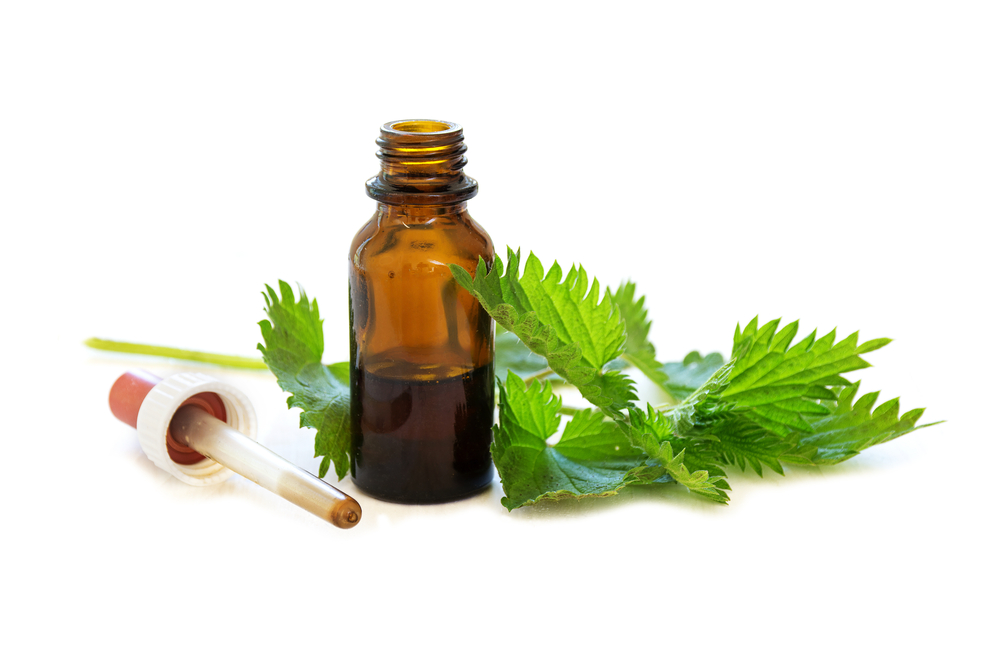
The Benefits of Tinctures For Kidney & Urinary Tract Support
Amid the kaleidoscope of health and wellness options, herbal tinctures stand as a tried and true remedy with their roots reaching back through centuries. Traditional tinctures have resurfaced in modern times, gaining popularity for their versatility and targeted support for various bodily systems. Among the many sectors benefitting from these concentrated herbal extracts, the realm of kidney and urinary tract health has seen a surge in interest.
The kidneys and urinary tract play pivotal roles in the body, responsible for filtering waste, maintaining electrolyte balance, and controlling the fluid volume. Tinctures, through their potent and bioavailable forms, offer a natural and age-old intervention to bolster the health and function of these critical systems. In this comprehensive exploration, we’ll unveil the specific benefits tinctures can offer to support kidney and urinary tract health, discuss their applications, and shed light on some of the most effective herbal allies in this context.
Understanding Tinctures and Their Mechanisms
A tincture is a concentrated herbal extract that uses alcohol or vinegar to preserve and extract the medicinal qualities of the plant. This form of herbal medicine captures a broader spectrum of plant compounds, compared to other forms like teas or capsules, leading to enhanced efficacy and faster absorption. The alcohol content serves as a menstruum, or solvent, that extracts and preserves the active ingredients of the herb.
These active constituents can include alkaloids, glycosides, essential oils, and flavonoids, amongst others, each lending their unique therapeutic properties. The alcohol in tinctures also acts as a powerful preservative, maintaining the life and potency of the tincture for several years.
Why Tinctures for Kidney and Urinary Support?
Confronted with an ever-increasing array of health products, consumers are turning to tinctures for their organic, holistic qualities. The benefits of tinctures for kidney and urinary tract health are manifold. The kidneys and urinary tract are vital components of the body’s detoxification system, and herbal tinctures support their function through various mechanisms. Tinctures can offer diuretic properties, anti-microbial action, and anti-inflammatory effects which are salutary in several kidney and urinary ailments.
Diuretic Properties
Herbal diuretics, also known as ‘diuretic tinctures’, promote the removal of excess fluid and salt from the body by increasing urine production. This can be helpful for conditions such as edema, high blood pressure, and kidney stones, where increased urine output can aid in flushing out impurities and preventing their buildup. Common diuretic herbs found in tincture form include dandelion, parsley, and corn silk.
Anti-microbial and Anti-inflammatory Effects
The urinary tract is susceptible to infections, often caused by bacteria like E.coli. Tinctures infused with herbs like uva ursi, cranberry, and goldenseal have demonstrated potent anti-microbial properties, preventing the adherence of bacteria to the urinary tract wall and ensuring a sterile flow of urine. Furthermore, certain herbs possess anti-inflammatory abilities, soothing the tissues and mitigating the discomfort associated with urinary tract infections and inflammation.
How to Use Tinctures for Maximum Effect
The application of tinctures for kidney and urinary support is not a one-size-fits-all scenario. It is important to consult with a healthcare professional to determine the appropriate dosage and treatment duration based on individual needs and health condition. Tinctures are most commonly taken sublingually (under the tongue), which allows for direct absorption into the bloodstream, or mixed with a small amount of water to be consumed.
Timing and Dosage Recommendations
For kidney and urinary health, tinctures can be taken two to three times a day. It’s advisable to take them between meals to maximize absorption. Doses can vary depending on the specific tincture, so it’s crucial to follow the guidance provided either by a naturopath or available on the tincture product labels.
Synergistic Blends
The beauty of tinctures is their ability to be blended, creating a synergistic effect that can enhance the overall therapeutic outcome. For instance, a tincture blend of dandelion and uva ursi can provide diuretic and antimicrobial support, whereas a mix of marshmallow root and goldenrod might offer soothing and anti-inflammatory benefits.
Top Herbal Allies in Tincture Form for Kidney and Urinary Health
While the herbal kingdom offers a plethora of choices, several standout herbs in tincture form have been specifically praised for their efficacy in supporting kidney and urinary health. Here are some well-regarded options:
Dandelion Root
Dandelion root tincture is lauded for its diuretic properties and its ability to support liver function. By increasing urine production, it helps to cleanse the kidneys and urinary tract. It’s also a rich source of potassium, which can help offset the loss of this vital mineral through increased urination.
Uva Ursi
Uva ursi tincture contains compounds with powerful antiseptic properties, particularly arbutin, which converts to hydroquinone in the urinary tract, where its antimicrobial action can be best utilized. Uva ursi is often recommended for UTIs, cystitis, and to prevent kidney stone formation.
Corn Silk
Corn silk tincture serves as a soothing diuretic for the urinary system. It can help with conditions such as urethritis, and may assist in easing symptoms related to painful urination and inflammation.
Marshmallow Root
Marshmallow root tincture is renowned for its demulcent and diuretic properties, making it ideal for soothing the urinary tract and supporting the natural defense mechanisms of the kidneys.
Goldenrod
Goldenrod tincture is anti-inflammatory and astringent, helping to reduce inflammation and spasms in the urinary system. It can also serve as a diuretic, supporting the flushing of the urinary tract.
Kidney & Urinary Health with Tinctures
The allure of tinctures for kidney and urinary tract health lies in their holistic approach and time-tested efficacy. By harnessing the healing components of nature, these concentrated extracts offer a gentle, yet potent, support system for our intricate urinary structures.
Adopting an integrative approach to health that includes tinctures can lead to improved function of the kidneys and urinary tract, aiding in the body’s natural detoxification and waste removal processes. Whether seeking to prevent conditions like kidney stones or urinary tract infections, or simply to promote overall health, the carefully selected use of herbal tinctures can be a formidable ally in one’s wellness arsenal.
Remember, while tinctures can provide significant health benefits, they are part of a broader strategy that should include a healthy lifestyle and a consultation with a healthcare professional. When used correctly, tinctures can contribute to vibrant health, and in the case of the kidneys and urinary tract, they may well be a key component in maintaining longevity and well-being.
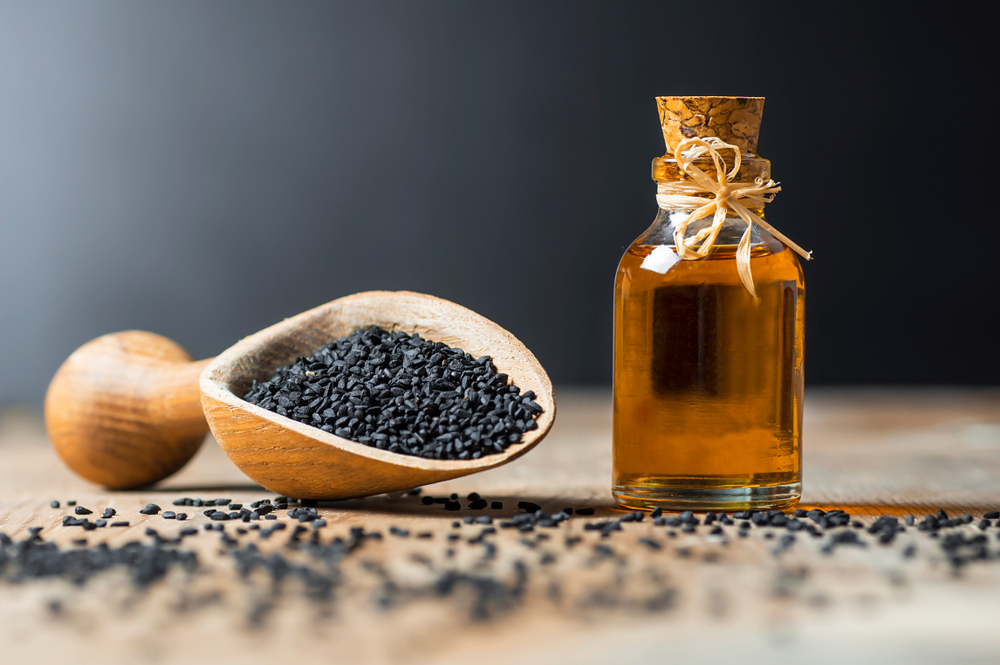
The Science Behind Black Seed Oil: What Research Tells Us
Black seed oil, also known as Nigella sativa, has been used for medicinal purposes for thousands of years. It has several health benefits, including reducing inflammation, regulating blood sugar levels, and aiding in weight loss. However, what does research tell us about the science behind black seed oil? In this blog post, we will explore the studies conducted on black seed oil and what they reveal about its effectiveness.
The Many Benefits of Black Seed Oil
Reduction of inflammation
One of the most studied benefits of black seed oil is its ability to reduce inflammation. A study conducted by Al-Ali et al. found that black seed oil reduced symptoms of inflammation in patients with rheumatoid arthritis. Another study by Ghosheh et al. revealed that black seed oil also reduced symptoms of asthma by decreasing airway inflammation. These studies provide strong evidence that black seed oil can be an effective treatment for reducing inflammation in various diseases.
Blood sugar regulation
Black seed oil has also been studied for its ability to regulate blood sugar levels. A study conducted on diabetic rats by Kanter et al. found that black seed oil significantly reduced blood sugar levels and improved insulin sensitivity. Another study by Hadi et al. found that black seed oil improved glycemic control in patients with type 2 diabetes. These studies suggest that black seed oil may have potential as a treatment for regulating blood sugar levels in diabetes patients.
Aiding in weight loss
Black seed oil has also been investigated for its potential in aiding weight loss. A study conducted by Kooti et al. found that black seed oil supplementation led to significant reductions in body weight and body mass index in obese women. Additionally, a study conducted on rats by Farhangi et al. revealed that black seed oil supplementation reduced body weight gain and appetite. These studies suggest that black seed oil may have potential as a supplement for aiding in weight loss.
Antimicrobial properties
Black seed oil has been traditionally used as a natural remedy for various infections. Several studies have investigated the antimicrobial properties of black seed oil. A study conducted by Mossa et al. found that black seed oil had significant antimicrobial activity against various types of bacteria, including Staphylococcus aureus and Escherichia coli. Another study by O’Mahony et al. revealed that black seed oil had potent antifungal activity against various strains of Candida. These studies provide strong evidence that black seed oil may have potential as a natural antimicrobial agent.
The science behind black seed oil suggests that it may have several health benefits, including reducing inflammation, regulating blood sugar levels, aiding in weight loss, and serving as a natural antimicrobial agent. Although more research is needed to fully understand the mechanisms behind these benefits, the studies conducted on black seed oil provide strong evidence of its potential. As always, it is best to consult with a healthcare professional before starting any new supplement or treatment. However, incorporating black seed oil into your daily regimen may provide several health benefits.

Natural Ways to Lower Your Blood Pressure & Support Your Heart
High blood pressure or hypertension is a common health problem that affects many people worldwide. In fact, according to the Centers for Disease Control and Prevention (CDC), about one-third of American adults have high blood pressure. Unknown to many, high blood pressure increases the risk of developing heart disease, stroke, kidney disease, and other serious health problems. Fortunately, there are natural ways that you can use to manage high blood pressure. In this blog post, we’ll explore some of the most effective herbal remedies to lower blood pressure naturally.
Lowering Your Blood Pressure Through Natural Remedies
Garlic
Garlic is an affordable and potent herb that has been used for centuries to treat various ailments, including high blood pressure. According to a study published in Integrated Blood Pressure Control, consuming garlic leads to a significant decrease in blood pressure. Garlic contains a compound known as allicin that helps to relax the blood vessels and improve blood flow. You can consume garlic raw, roasted, or in supplements.
Hibiscus Tea
Hibiscus tea is a delicious beverage that has been shown to lower blood pressure effectively. According to a study published in the Journal of Hypertension, drinking hibiscus tea leads to significant reductions in systolic and diastolic blood pressure. Hibiscus tea contains anthocyanins and quercetin, which help to dilate blood vessels and improve blood flow. You can enjoy hibiscus tea either hot or cold.
Basil
Basil is a fragrant herb that is commonly used in cooking. It also provides many health benefits, including lowering blood pressure. According to a study published in the Journal of Traditional and Complementary Medicine, consuming basil extracts leads to a significant decrease in blood pressure. Basil contains eugenol, which helps to relax the blood vessels and reduce inflammation.
Hawthorn
Hawthorn is a traditional herbal remedy that has been used for centuries to treat heart-related conditions. Hawthorn contains flavonoids and procyanidins, which help to dilate blood vessels and improve blood flow. A study published in the European Journal of Cardiovascular Prevention and Rehabilitation found that hawthorn extract leads to significant reductions in blood pressure.
Olive Leaf
Olive leaf extract is a powerful herbal remedy that has been shown to lower blood pressure naturally. According to a study published in Phytotherapy Research, consuming olive leaf extract leads to significant reductions in systolic and diastolic blood pressure. Olive leaf contains oleuropein, which helps to relax blood vessels and reduce inflammation.
These are just a few of the many herbal remedies that you can use to manage high blood pressure naturally. Other effective herbal remedies include ginger, turmeric, and cinnamon. Always speak to your healthcare provider before taking any herbal supplements, especially if you are taking medication. By incorporating these herbal remedies into your lifestyle, you can lower your blood pressure and support your heart health naturally.
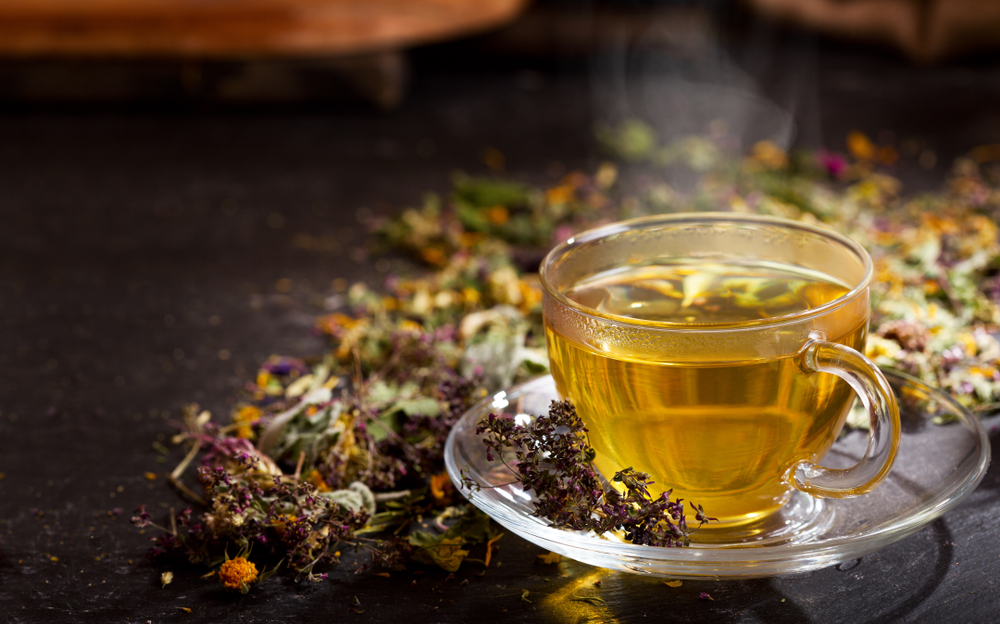
The Art of Herbal Teas: How to Brew Medicinal Herbs for Warming Winter Infusions
As winter approaches, you may be wondering what you can do to warm yourself up naturally. One of the best ways to do this is by brewing herbal teas made from medicinal herbs. Not only are these teas delicious, but they also offer a range of health benefits that can help you stay healthy through the colder months. In this blog, we will take a closer look at the art of herbal teas and how you can brew medicinal herbs to create warming winter infusions that will keep you feeling cozy and healthy all season long.
Brewing Winter Herbal Teas
Before we dive into the best herbs to use for winter teas, it’s important to know how to brew them. The key to brewing a great herbal tea is to use the right temperature and steeping time. Boiling water can destroy some of the medicinal properties of herbs, so it’s best to use water that’s just under boiling. For most herbs, steeping for 5-10 minutes is sufficient, but you can adjust this depending on your taste preferences.
Best Herbs To Use For Winter Teas
Now, let’s talk about some of the best herbs to use for winter teas. Ginger is one of the most popular options, as it is known to help soothe an upset stomach, reduce inflammation, and boost the immune system. Cinnamon is another great option, as it can help regulate blood sugar levels and has anti-inflammatory properties. Other herbs that can be used in winter teas include chamomile, which is great for promoting relaxation and sleep, and echinacea, which is known for its immune-boosting properties.
To make a ginger tea, simply grate a small piece of fresh ginger into hot water and steep for 5-10 minutes. You can add honey and lemon for extra flavor and health benefits. To make a cinnamon tea, add a cinnamon stick to hot water and steep for 10 minutes. You can also add honey or milk for a creamy, comforting brew. For chamomile or echinacea tea, steep a tea bag or loose leaves in hot water for 5-10 minutes.
Aside from these specific herbs, you can also create warming winter infusions using a variety of herbal teas. For example, a blend of peppermint, hibiscus, and rose hips makes for a delicious and refreshing winter tea that can help soothe cold symptoms. Rooibos tea blended with orange peel, cloves, and vanilla creates a warming and cozy brew that’s perfect for sipping by the fire on a cold winter night.
Staying Healthy And Cozy During Winter
Brewing herbal teas is a great way to stay healthy and cozy during the winter months. Whether you’re looking to soothe an upset stomach, boost your immune system, or simply warm up, there’s an herb out there for you. Remember to use water that’s not quite boiling and steep for the right amount of time to get the most out of your herbs. With a little bit of practice and experimentation, you’ll be a master of herbal teas in no time. So go ahead, brew up a pot of your favorite herbs, and enjoy all the warm and cozy benefits they have to offer this winter.

Revived By Roots Guide to Holiday Stress: Natural Remedies for Relaxation
The holiday season is typically a time for festive parties, family gatherings, gift-giving, and a time for joy and happiness. However, with all the season’s stresses like planning parties, shopping for gifts, and hosting guests, it can quickly turn into a season of stress and anxiety. The good news is that there is a myriad of natural remedies for relaxation that you can use to help ease your mind, and reduce stress and anxiety throughout the holiday season. In today’s Revived By Roots guide, we’ll explore some of the most effective natural remedies for relaxation.
A Guide to Natural Remedies for Relaxation
Essential Oils
One popular natural remedy for relaxation is the use of essential oils. Essential oils like lavender, chamomile, and peppermint are great for reducing stress and promoting relaxation. You can use these oils in various ways such as inhaling them through a diffuser, adding them to your bathwater, or putting a few drops on your pillowcase.
Herbal Remedies
Herbal remedies like green tea, passionflower, and valerian root are also excellent natural remedies for relaxation. These herbs help to calm the mind, reduce anxiety and promote relaxation. You can take these herbs in tea form or as a supplement in capsule form.
Exercise
Exercise is a great natural remedy for relaxation. When you exercise, your body produces endorphins, which are natural mood boosters that help to reduce stress and anxiety. Exercise also helps to improve your sleep quality and promote relaxation. You can choose to do any form of exercise that you enjoy such as walking, running, swimming, or yoga.
Meditation and Breathing Techniques
Meditation and breathing techniques are great techniques to help reduce stress and promote relaxation. When you meditate, you focus your mind on the present moment, which helps to calm the mind and reduce anxiety. Breathing techniques such as diaphragmatic breathing also help to promote relaxation by reducing physical tension and slowing down the heart rate.
Nutrition
Finally, nutrition plays a significant role in promoting relaxation. Eating a balanced diet that comprises of whole foods, plenty of fresh fruits and vegetables and lean proteins, helps to reduce stress and anxiety. Foods like berries, nuts, and leafy greens are great sources of antioxidants and vitamins that help to boost your mood and promote relaxation.
Relaxation During the Holidays
The holiday season can be a stressful time, but with the right mindset and natural remedies, you can make the season joyful and relaxing. If you’re looking to reduce stress and anxiety during the holidays, Revived By Roots natural remedies for relaxation are an excellent place to start. Combine these remedies, like essential oils, exercise, and good nutrition, to achieve optimal results. Remember, self-care and relaxation should be a priority, not a luxury.

What Herbal Remedies Are Used To Help WIth Migraines?
Headaches can be a real pain, no pun intended. It can be frustrating to find relief and most people turn to painkillers to manage them. However, these medications can have side effects and can be detrimental to one’s health when used excessively. Herbal remedies, on the other hand, can be a natural and effective way to cure headaches. In this post, we’ll explore the different herbal remedies that are commonly used for headache relief.
Headache Relief With Natural Herbs
1. Feverfew
Feverfew is a herb that is primarily used to prevent and treat migraines. It has been found to lower the incidence of migraines by almost 50%. You can take feverfew as a supplement or make a tea out of its leaves. Feverfew works by reducing inflammation and delaying the release of blood-clotting factors in the blood.
2. Ginger
Ginger has anti-inflammatory properties that make it effective in treating headaches. Its compounds also reduce pain by blocking the pain-causing hormone prostaglandin. You can add ginger to your diet by drinking ginger tea or adding it to your food.
3. Lavender
Lavender has calming properties that make it beneficial in preventing stress-related headaches. It can be used topically as an essential oil or taken as a tea. To use it topically, add a few drops of lavender essential oil to a carrier oil such as coconut oil, and massage it onto your temples and forehead.
4. Peppermint
Peppermint has analgesic properties that make it an excellent remedy for headaches. It contains menthol, which blocks pain receptors and reduces pain sensitivity. Peppermint can be taken as a tea, or you can inhale its essential oil by adding a few drops to boiling water and inhaling the steam.
5. Willow Bark
Willow bark contains salicin, which is a compound that is similar to aspirin. It is effective in treating headaches and migraines as it reduces inflammation and relieves pain. Willow bark is available in the form of a supplement or can be taken as a tea.
Natural and Effective Migraine Relief
Headaches can be debilitating, but herbal remedies can provide a natural and effective way to manage them without the harmful side effects of medication. While these remedies may work for some people, it is important to remember that everyone’s body is different, and what works for one person may not work for another. If you have a pre-existing medical condition or are taking medication, it is essential to consult your doctor before taking any herbal remedies.
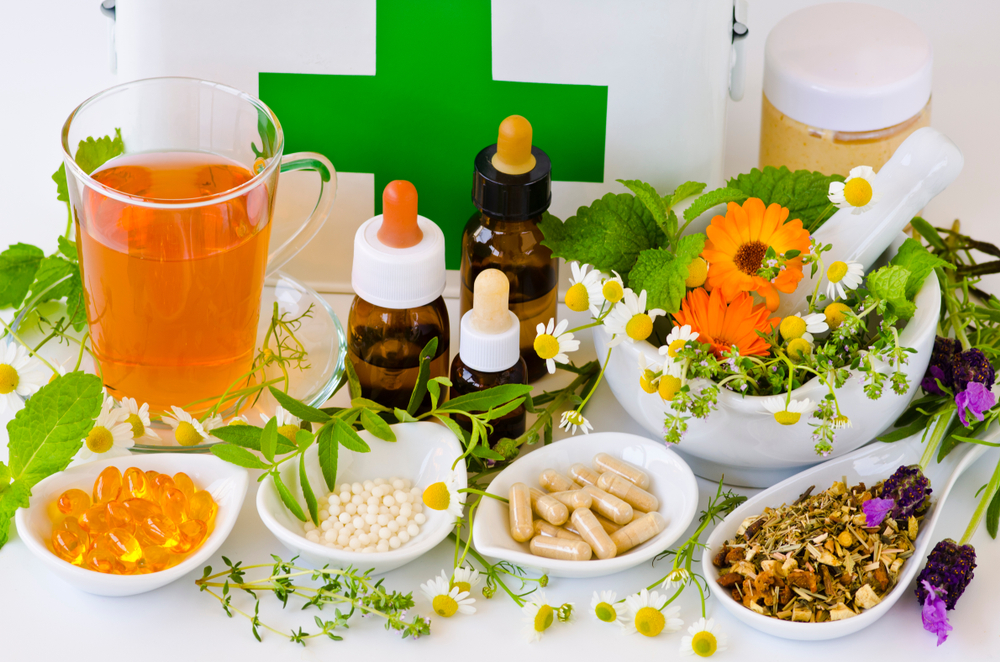
Must-Have Revived By Roots Products for Your Herbal First Aid Kit!
As people become more health-conscious and interested in natural remedies, herbal medicine has been growing in popularity. Being equipped with an herbal first aid kit is a great way to be prepared for unexpected ailments and injuries. Revived By Roots is one of the most trusted and reliable brands in this industry, offering a range of natural remedies that can come in handy for various health issues.
Your Herbal First Aid Kit
Healing Salve
This is a multipurpose herbal balm that can be used to soothe and heal various skin conditions like burns, cuts, bruises, and insect bites. The Revived By Roots Healing Salve contains natural ingredients like Calendula, Lavender, and Comfrey that have anti-inflammatory, antiseptic, and analgesic properties. It also helps to prevent scarring and promote skin regeneration. This is an essential product that can come in handy for any minor skin injury.
Immunity Boost Tincture
During the flu season or when your immune system is compromised, it’s important to have a natural supplement that can help boost your immunity. The Revived By Roots Immunity Boost Tincture is a potent blend of immune-enhancing herbs like Echinacea, Elderberry, and Astragalus. It also contains adaptogenic herbs like Ashwagandha and Reishi that can help reduce stress and improve overall health. This tincture can be taken daily or as needed to support your immune system.
Relaxation Tincture
Stress, anxiety, and insomnia are common issues that can be effectively managed with natural remedies. The Revived By Roots Relaxation Tincture contains a blend of calming herbs like Chamomile, Passionflower, and Skullcap that help to promote relaxation and ease tension. It can also aid in improving sleep quality without causing drowsiness or dependency. This is a great product to keep on hand for times of high stress or sleeplessness.
Headache Relief Tincture
Headaches can be debilitating and prevent us from carrying out our daily activities. Instead of reaching for over-the-counter painkillers, consider using a natural remedy like the Revived By Roots Headache Relief Tincture. This tincture contains herbs like Feverfew, Willow Bark, and Jamaican Dogwood that have been traditionally used to relieve headaches and migraines. It’s also effective for reducing inflammation, tension, and stress, which can be the underlying causes of headaches.
Digestive Support Tea
Digestive issues like bloating, constipation, and indigestion can be uncomfortable and disrupt our daily routines. The Revived By Roots Digestive Support Tea is a blend of stomach-soothing herbs like Fennel, Ginger, and Peppermint that help to improve digestion and reduce digestive discomfort. It’s also a great drink to have after heavy meals or when travelling to support healthy digestion.
Revived By Roots offers a range of high-quality and effective natural remedies that can be helpful in various health conditions. By adding these must-have products to your herbal first aid kit, you can be well-prepared for unexpected health issues and empower your body’s natural healing mechanisms. Remember to always consult with a healthcare professional before using any new supplements or remedies, especially if you have underlying health conditions or are taking any medications. Invest in your health today by trying out Revived By Roots herbal remedies, and start benefiting from the power of nature.

Four Thieves Vinegar – Your Natural Germ Killer For Daily Health
In the world of natural health remedies, there are few things as versatile and powerful as Four Thieves Vinegar. This simple but potent blend of herbs and spices has been used for centuries to fight off germs and promote health. Whether you’re looking to boost your immune system, ward off sickness, or just keep your environment clean and germ-free, Four Thieves Vinegar is an essential tool in your arsenal.
In this article, we’ll explore the history, benefits, and uses of Four Thieves Vinegar, and show you how to make your own at home.
What is Four Thieves Vinegar, and where did it come from?
Four Thieves Vinegar is a traditional herbal remedy that dates back to the 14th century. According to legend, during the Black Plague in Europe, four thieves were caught robbing the homes of the sick and dying, but somehow managed to avoid getting infected themselves. When they were finally caught, they offered to reveal their secret to the authorities in exchange for leniency. The thieves claimed that they had protected themselves from the plague by using a secret blend of herbs and spices that they applied to their bodies and breathed in through a vinegar-soaked cloth. This blend became known as Four Thieves Vinegar, and was soon adopted by others who wanted to protect themselves from sickness.
What are the benefits of Four Thieves Vinegar?
Four Thieves Vinegar contains a variety of herbs and spices that have proven antimicrobial properties. These include garlic, ginger, cinnamon, and thyme, among others. Some studies have even found that these ingredients may be effective against antibiotic-resistant bacteria. In addition to its germ-fighting properties, Four Thieves Vinegar may also help support the immune system, improve digestion, and soothe inflammation.
How is Four Thieves Vinegar used?
Four Thieves Vinegar can be used in a variety of ways to promote health and wellness. Some people use it as a natural disinfectant, either by spraying it on surfaces or adding it to cleaning solutions. Others apply it topically to protect against germs or soothe skin irritations. Some even use it as a dietary supplement, either by adding it to food or taking it in capsule form. However you choose to use Four Thieves Vinegar, it’s important to remember that it is a potent blend and may cause skin irritation or other side effects if used incorrectly.
How can you make your own Four Thieves Vinegar at home?
Making your own Four Thieves Vinegar is a simple and affordable way to enjoy its benefits. To make a basic recipe, you will need:
- 1 quart of raw, unfiltered apple cider vinegar
- 1/4 cup dried thyme
- 1/4 cup dried rosemary
- 1/4 cup dried sage
- 1/4 cup dried lavender
- 1/4 cup fresh garlic, peeled and chopped
- 1/4 cup fresh ginger, peeled and chopped
- 1 cinnamon stickCombine all of the ingredients in a large jar or container with a tight-fitting lid. Shake well to combine. Store the jar in a cool, dark place for four to six weeks, shaking it occasionally to promote infusion. After the infusion period is complete, strain the mixture through a cheesecloth or fine-mesh sieve into a clean container. Discard the solid herbs and spices, and store the vinegar in a container with a tight-fitting lid. Your homemade Four Thieves Vinegar will keep for several months at room temperature.
The legend behind Four Thieves Vinegar may be mythical, but its benefits are very real.
This powerful blend of herbs and spices has been used for centuries to promote health, fight off illness, and sanitize living spaces.
By making your own Four Thieves Vinegar at home, you can customize the recipe to suit your needs and enjoy all of its benefits without the harsh chemicals found in many commercial disinfectants.
Whether you use it topically, as a dietary supplement, or as a natural cleaning solution, Four Thieves Vinegar is a versatile and effective tool in your natural health toolkit.

Easing Anxiety Naturally – Revived By Roots Anxiety Syrup can Help! | Natural Healing Remedies
Anxiety is a common problem faced by people of all ages. Several factors such as work pressure, daily life stress, and uncertain situations can cause anxiety. Anxiety can affect both mental and physical well-being, and it is important to address this problem before it results in severe consequences. Several medications can help alleviate anxiety symptoms, but did you know that you can ease anxiety naturally?
In this blog, we will discuss how you can ease anxiety naturally, and how Revived By Roots Anxiety Syrup can help.
1) Exercise: Exercise is one of the best ways to ease anxiety naturally. Whenever you feel anxious, take a walk, go for a run, or participate in any form of physical activity that suits you. Exercise helps the body release endorphins, which reduces stress and anxiety symptoms.
2) Meditation: Meditation is an ancient practice that can help alleviate anxiety. Meditation promotes relaxation and calmness by increasing self-awareness. Practicing meditation daily for 10-15 minutes can help reduce anxiety symptoms and promote relaxation.
3) Revived By Roots Anxiety Syrup: Revived By Roots Anxiety Syrup is a natural blend of adaptogenic herbs and plants such as ashwagandha, passionflower, skullcap, and lemon balm. This syrup helps to reduce anxiety symptoms and promote relaxation. These natural adaptogenic herbs work with the body to adapt and resist physical, chemical, and environmental stressors, making the body more resilient towards stress and anxiety.
4) Aromatherapy: Aromatherapy is the use of essential oils for therapeutic purposes. Essential oils such as lavender, chamomile, and bergamot can help alleviate anxiety symptoms. These essential oils can be diffused or applied to the skin after diluting them with a carrier oil.
5) Breathing Techniques: Deep breathing exercises such as pranayama can help alleviate anxiety. These exercises are easy and can be practiced anywhere. Simply inhale for a count of five, hold the breath for a count of five, and then exhale for a count of five.
Anxiety can be a debilitating condition that can affect one’s daily life.
While several medications can help alleviate anxiety symptoms, it is essential to explore natural remedies to ease anxiety. Easing anxiety naturally can help promote mental and physical well-being.
Exercise, meditation, aromatherapy, breathing techniques, and Revived By Roots Anxiety Syrup are some of the natural remedies that can help alleviate anxiety symptoms.
Remember, it is important to consult your healthcare provider before starting any natural remedies.