


Monthly Archives: February 2024

Natural Defenders: Integrating Traditional Herbs into Modern Cancer Prevention

The omnipresent specter of cancer looms large in modern society, casting a shadow that touches every family in some way or another. Cancer prevention is a topic of critical importance, sparking a plethora of research and innovations. Amidst the technological advancements and burgeoning medical breakthroughs, there exists a timeless repository of knowledge that humankind has leaned on for centuries – traditional herbs.
Before the rise of synthetic pharmaceuticals, civilizations from the East to the West relied on the healing properties of various flora. Today, we find ourselves circling back to these natural defenders in our quest for cancer prevention. In this exploration, we shed light on traditional herbs that could play a role in bolstering our body’s defenses against cancer.
Exploring the Botanical Armory
Turmeric (Curcuma longa)
The bright yellow spice, turmeric, is celebrated in the Asian subcontinent for its culinary and medicinal prowess. At the heart of turmeric’s healing attributes lies curcumin, a potent antioxidant and anti-inflammatory agent. Research suggests that curcumin may have a role in suppressing the initiation, progression, and spread of cancer.
Garlic (Allium sativum)
Garlic, known for its pungent flavor, is equally potent in its potential to ward off cancer. Allicin, its main active compound, is a renowned cancer fighter. Clinical studies have indicated that regular and significant consumption of garlic is associated with a reduced risk of various cancers, particularly those of the digestive system.
Ginger (Zingiber officinale)
This knotted rhizome is a stalwart in traditional medicine, touted for its ability to soothe the stomach and strengthen the immune system. Beyond its anti-nausea properties for cancer patients undergoing treatment, gingerol, the bioactive compound in ginger, has exhibited anti-inflammatory and anti-cancer effects in both lab and animal studies.
Holy Basil (Ocimum sanctum)
Referred to as “Tulsi” in its homeland, holy basil is a revered herb in the Indian Ayurvedic system. Research has highlighted its potential to protect against chemical-induced cancers. Its rich repertoire of phytochemicals may attribute to its anti-cancer properties, offering protection at various stages of cancer development.
Ginseng (Panax ginseng)
The esteemed status of ginseng in traditional Chinese medicine is well deserved, with modern science corroborating that it may inhibit tumor growth. Ginsenosides, the active ingredients in ginseng, have shown anti-proliferative effects in various cancer types. Additionally, ginseng is believed to support the body’s natural defenses against stress, a known factor in cancer development.
Milk Thistle (Silybum marianum)
Milk Thistle and its chief component, silymarin, are particularly celebrated for their role in liver health. Given the liver’s central role in detoxification, its well-being is paramount in cancer prevention. Research has indicated that silymarin may offer protection against certain cancers, especially those affecting the liver.
Astragalus (Astragalus membranaceus)
This herb has an established place in traditional Chinese medicine, typically used to bolster the immune system. In the context of cancer, astragalus is of interest due to its potential to ameliorate the side effects of conventional cancer treatments and enhance their effectiveness. It’s also believed to have direct anti-cancer activity by stimulating the immune response against cancer cells.
Echinacea (Echinacea purpurea)
Widely used to stave off the common cold, Echinacea is also reputed for its ability to activate the immune system against a variety of pathogens, including cancer. Polysaccharides inherent in Echinacea have shown promise in both preventing and combating cancer. Its immune-stimulating effect may help the body recognize and tackle cancer cells more effectively.
Integrating Traditional Wisdom in Modern Practices
The integration of traditional herbs into cancer prevention regimens is about complementing existing treatments with age-old allies that are replete with phytochemicals, which modern research increasingly highlights for their anti-cancer potential.
Herbal supplements may not be a panacea, but they can certainly provide a robust adjunct in a comprehensive cancer prevention strategy. The diversity of bioactive compounds found in traditional herbs offers multiple pathways through which cancer prevention and support can occur, be it through immune modulation, apoptosis induction (the programmed death of cancer cells), anti-angiogenesis (inhibiting the formation of blood vessels that tumors need to grow), or anti-metastatic properties.
However, a word of caution is in order. The use of herbs in cancer prevention and treatment is complex and must be overseen by healthcare professionals. Herbs can interact with pharmaceutical medications and may not be suitable for all cancer types or stages. Patient profiles, including their medical history and concurrent treatments, must be considered before incorporating herbal supplements into their regimen.
Cancer Prevention With Herbal Remedies
Before considering the integration of any herb into a cancer prevention or treatment plan, it is crucial to discuss it with a qualified medical practitioner. Knowledge of the herb’s interactions with common cancer medications, its impact on coexisting health conditions, and the appropriate dosage are all vital pieces of information that a healthcare provider can provide.
The sourcing of herbs is another critical consideration. Quality, purity, and ethical harvesting practices all influence the efficacy and safety of the herbal supplement. Look for reputable sources that provide transparency regarding the origins and production processes of their herbal products.
Lastly, the ‘more is better’ approach does not apply to herbal supplements, especially in the context of cancer where precision in treatment is paramount. Ensuring the correct dosage and treatment duration, as well as being vigilant for any adverse effects, is part and parcel of safe and effective herbal supplement use.
In conclusion, the potent synergy of traditional herbal knowledge and modern medical expertise can carve a path towards more holistic and personalized cancer prevention and treatment. Herbs, with their rich medicinal legacies, are an invaluable resource, awaiting with open arms in the quest against cancer. By weaving these natural defenders into our approach, we champion not only lineage of time-tested wisdom but an innovative strategy for a collective and sustainable battle against one of humanity’s most formidable foes.
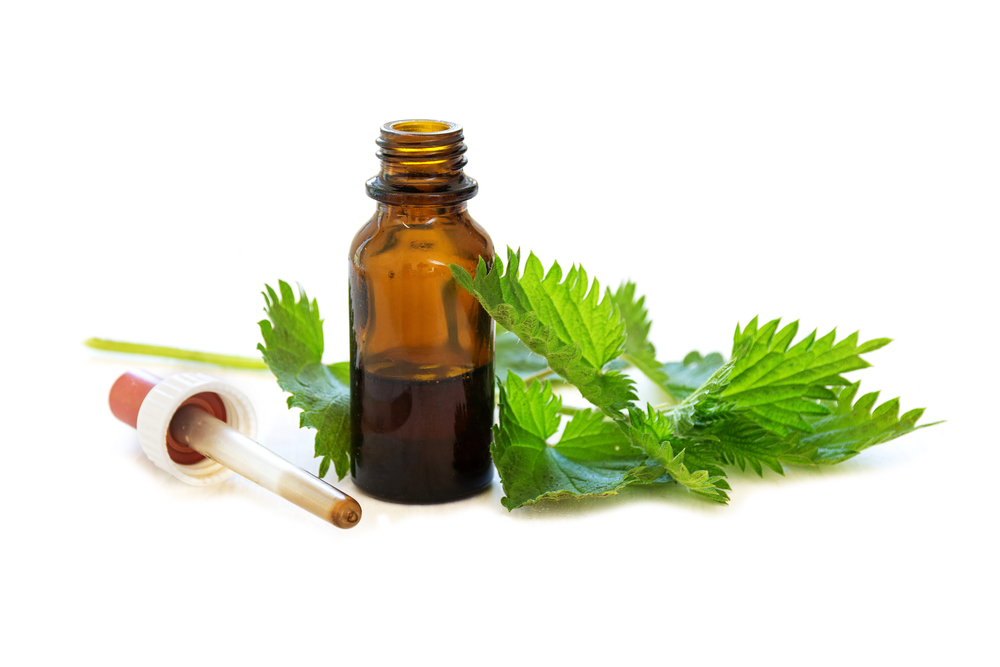
The Benefits of Tinctures For Kidney & Urinary Tract Support
Amid the kaleidoscope of health and wellness options, herbal tinctures stand as a tried and true remedy with their roots reaching back through centuries. Traditional tinctures have resurfaced in modern times, gaining popularity for their versatility and targeted support for various bodily systems. Among the many sectors benefitting from these concentrated herbal extracts, the realm of kidney and urinary tract health has seen a surge in interest.
The kidneys and urinary tract play pivotal roles in the body, responsible for filtering waste, maintaining electrolyte balance, and controlling the fluid volume. Tinctures, through their potent and bioavailable forms, offer a natural and age-old intervention to bolster the health and function of these critical systems. In this comprehensive exploration, we’ll unveil the specific benefits tinctures can offer to support kidney and urinary tract health, discuss their applications, and shed light on some of the most effective herbal allies in this context.
Understanding Tinctures and Their Mechanisms
A tincture is a concentrated herbal extract that uses alcohol or vinegar to preserve and extract the medicinal qualities of the plant. This form of herbal medicine captures a broader spectrum of plant compounds, compared to other forms like teas or capsules, leading to enhanced efficacy and faster absorption. The alcohol content serves as a menstruum, or solvent, that extracts and preserves the active ingredients of the herb.
These active constituents can include alkaloids, glycosides, essential oils, and flavonoids, amongst others, each lending their unique therapeutic properties. The alcohol in tinctures also acts as a powerful preservative, maintaining the life and potency of the tincture for several years.
Why Tinctures for Kidney and Urinary Support?
Confronted with an ever-increasing array of health products, consumers are turning to tinctures for their organic, holistic qualities. The benefits of tinctures for kidney and urinary tract health are manifold. The kidneys and urinary tract are vital components of the body’s detoxification system, and herbal tinctures support their function through various mechanisms. Tinctures can offer diuretic properties, anti-microbial action, and anti-inflammatory effects which are salutary in several kidney and urinary ailments.
Diuretic Properties
Herbal diuretics, also known as ‘diuretic tinctures’, promote the removal of excess fluid and salt from the body by increasing urine production. This can be helpful for conditions such as edema, high blood pressure, and kidney stones, where increased urine output can aid in flushing out impurities and preventing their buildup. Common diuretic herbs found in tincture form include dandelion, parsley, and corn silk.
Anti-microbial and Anti-inflammatory Effects
The urinary tract is susceptible to infections, often caused by bacteria like E.coli. Tinctures infused with herbs like uva ursi, cranberry, and goldenseal have demonstrated potent anti-microbial properties, preventing the adherence of bacteria to the urinary tract wall and ensuring a sterile flow of urine. Furthermore, certain herbs possess anti-inflammatory abilities, soothing the tissues and mitigating the discomfort associated with urinary tract infections and inflammation.
How to Use Tinctures for Maximum Effect
The application of tinctures for kidney and urinary support is not a one-size-fits-all scenario. It is important to consult with a healthcare professional to determine the appropriate dosage and treatment duration based on individual needs and health condition. Tinctures are most commonly taken sublingually (under the tongue), which allows for direct absorption into the bloodstream, or mixed with a small amount of water to be consumed.
Timing and Dosage Recommendations
For kidney and urinary health, tinctures can be taken two to three times a day. It’s advisable to take them between meals to maximize absorption. Doses can vary depending on the specific tincture, so it’s crucial to follow the guidance provided either by a naturopath or available on the tincture product labels.
Synergistic Blends
The beauty of tinctures is their ability to be blended, creating a synergistic effect that can enhance the overall therapeutic outcome. For instance, a tincture blend of dandelion and uva ursi can provide diuretic and antimicrobial support, whereas a mix of marshmallow root and goldenrod might offer soothing and anti-inflammatory benefits.
Top Herbal Allies in Tincture Form for Kidney and Urinary Health
While the herbal kingdom offers a plethora of choices, several standout herbs in tincture form have been specifically praised for their efficacy in supporting kidney and urinary health. Here are some well-regarded options:
Dandelion Root
Dandelion root tincture is lauded for its diuretic properties and its ability to support liver function. By increasing urine production, it helps to cleanse the kidneys and urinary tract. It’s also a rich source of potassium, which can help offset the loss of this vital mineral through increased urination.
Uva Ursi
Uva ursi tincture contains compounds with powerful antiseptic properties, particularly arbutin, which converts to hydroquinone in the urinary tract, where its antimicrobial action can be best utilized. Uva ursi is often recommended for UTIs, cystitis, and to prevent kidney stone formation.
Corn Silk
Corn silk tincture serves as a soothing diuretic for the urinary system. It can help with conditions such as urethritis, and may assist in easing symptoms related to painful urination and inflammation.
Marshmallow Root
Marshmallow root tincture is renowned for its demulcent and diuretic properties, making it ideal for soothing the urinary tract and supporting the natural defense mechanisms of the kidneys.
Goldenrod
Goldenrod tincture is anti-inflammatory and astringent, helping to reduce inflammation and spasms in the urinary system. It can also serve as a diuretic, supporting the flushing of the urinary tract.
Kidney & Urinary Health with Tinctures
The allure of tinctures for kidney and urinary tract health lies in their holistic approach and time-tested efficacy. By harnessing the healing components of nature, these concentrated extracts offer a gentle, yet potent, support system for our intricate urinary structures.
Adopting an integrative approach to health that includes tinctures can lead to improved function of the kidneys and urinary tract, aiding in the body’s natural detoxification and waste removal processes. Whether seeking to prevent conditions like kidney stones or urinary tract infections, or simply to promote overall health, the carefully selected use of herbal tinctures can be a formidable ally in one’s wellness arsenal.
Remember, while tinctures can provide significant health benefits, they are part of a broader strategy that should include a healthy lifestyle and a consultation with a healthcare professional. When used correctly, tinctures can contribute to vibrant health, and in the case of the kidneys and urinary tract, they may well be a key component in maintaining longevity and well-being.