

Posts by Danielle
Anti-Inflammatory and the Auto-Immune Response

🌿 Anti-Inflammatory Herbs & the Autoimmune Response
Soothing the fire within through herbal wisdom
🧭 Introduction: When the Body Turns Inward
Autoimmune conditions are rising worldwide, affecting millions of people with conditions like rheumatoid arthritis, lupus, Hashimoto’s thyroiditis, multiple sclerosis, and inflammatory bowel disease. At their core, these conditions involve chronic inflammation — the immune system mistakenly attacking the body’s own tissues.
While conventional medicine often focuses on suppressing the immune system, herbal traditions offer another path: modulation. Instead of shutting down immunity, herbs can help the body relearn balance, calming the overactive response while still protecting against true threats.
This is where anti-inflammatory herbs shine — not only easing pain and swelling, but also supporting the deeper systems (gut, liver, lymph, nervous system) that influence autoimmune health.
We will explore the pathophysiology of autoimmune conditions, shine a light on how key phytochemicals modulate immunity, and honor the traditions and folklore entwined with each herb. Alongside clinical insights, we offer integrative practices: herbal infusions, foot soaks, journaling, and affirmations, designed to nurture body, mind, and spirit on your healing journey. Our intention is to ground you in both research-backed knowledge and the heartening rhythm of seasonal, plant-based healing.
🔥 Understanding the Autoimmune Response
- The Immune System’s Role: Designed to protect us from pathogens, toxins, and injury.
- Autoimmune Misfire: The body mistakes its own tissues for invaders, leading to chronic inflammation.
- Common Triggers:
- Leaky gut and microbiome imbalance
- Chronic stress and trauma
- Environmental toxins and heavy metals
- Viral or bacterial infections
- Nutrient deficiencies
The Result: Persistent inflammation, fatigue, pain, and organ/tissue damage.
The Immune System in Health and Disharmony
The immune system is an orchestral web of cells, tissues, and signaling molecules devoted to defending the body against threats like pathogens, toxins, and abnormal cells. In acute infection, the inflammatory response is a finely tuned process—swelling, heat, and immune cell mobilization are short-lived, restorative forces that help us heal.
However, in chronic inflammation and autoimmunity, this regulatory dance falters. The immune system mistakes the body’s own cells as intruders, unleashing persistent, misdirected inflammation that damages tissues and organs. Over 100 autoimmune diseases exist, from rheumatoid arthritis and lupus to type 1 diabetes, multiple sclerosis, and more, together affecting roughly 1 in 15 people worldwide and rising with a global incidence increase of nearly 19% over the past three decades.
Pathophysiology: What Goes Wrong?
- Immune Dysregulation: Normally, the adaptive immune system distinguishes self from non-self. In autoimmunity, this tolerance breaks down, prompting B and T lymphocytes to attack the body’s tissues.
- Genetic and Environmental Roots: Genes can predispose, but environmental triggers—stress, infections, toxins, leaky gut, dysbiosis—often ignite autoimmunity.
- Inflammatory Mediators: Cytokines like TNF-α, IL-1β, and IL-6, usually defenders, become perpetual drivers of tissue destruction.
- Signaling Pathways: Dysregulated nuclear factor kappa B (NF-κB), MAPK, and Janus kinase/signal transducer and activator of transcription (JAK/STAT) signaling amplify and sustain inflammation.
Key Differences: Autoimmunity vs. Autoinflammation
| Feature | Autoimmunity | Autoinflammation |
|---|---|---|
| Immune system | Adaptive (T/B cells) | Innate (macrophages, neutrophils) |
| Trigger | Self-antigen | PAMPs/DAMPs (danger signals) |
| Mediators | Autoantibodies, cytokines | Cytokines (IL-1, IL-18, etc.) |
| Genetic basis | More often polygenic | Monogenic or polygenic |
| Clinical features | Organ/systemic inflammation | Recurrent fevers, rash, serositis |
| Treatment | Immunosuppressants | Cytokine inhibitors |
In reality, there is profound overlap between these categories. Autoimmune diseases are not a single note, but a symphony of dysregulated pathways. The central thread is a failure to resolve inflammation. Herbal medicine doesn’t claim to “cure” autoimmune disease — but it can soothe the fire, support resilience, and restore flow.
Immunomodulation: How Herbs Support Balance
Immunomodulatory Mechanisms of Herbal Compounds
Modern pharmacological research confirms that many traditional herbs can regulate rather than simply activate or suppress the immune system—a property known as immunomodulation. They may:
- Reduce pro-inflammatory cytokine production (e.g., lowering TNF-α, IL-1β, IL-6)
- Inhibit key signaling pathways (NF-κB, MAPK, JAK/STAT, inflammasomes)
- Promote anti-inflammatory mediators (e.g., IL-10, TGF-β)
- Modulate oxidative stress & free radicals
- Support physical barriers and repair tissues
- Enhance or balance specific immune cell populations (Treg cells, NK cells, etc.)
Unlike synthetic immunosuppressants (which can increase infection risk and have substantial side effects), many plant compounds support immune resilience and homeostasis with a lower side-effect profile.
🌿 Herbal Allies for Inflammation & Immune Modulation?
🟡Turmeric (Curcuma longa): The Golden Immune Ally
Traditional Uses
From the sun-kissed fields of India to the mythic landscapes of Southeast Asia and beyond, turmeric has been revered as both spice and sacred medicine for millennia. Its uses span relief of joint pain, digestive complaints, respiratory ailments, skin conditions, and the enhancement of fertility and prosperity in ritual practices.
Active Compounds
- Curcumin: The most studied polyphenol, bright yellow and potent.
- Turmerones: Essential oil constituents with additional anti-inflammatory activity.
- Vitamins and minerals: Including K, Mg, Ca, Zn.
Modern Research
Curcumin and turmeric extracts modulate key inflammatory pathways and reduce autoimmune inflammation through the following mechanisms:
- Downregulation of pro-inflammatory cytokines: TNF-α, IL-1β, IL-6, MMPs.
- Inhibition of NF-κB, NLRP3, JAK/STAT: Reducing chronic inflammatory signaling.
- Promotion of Treg cells and increase IL-10/TGF-β: Supporting tolerance and balance.
- Antioxidant and hepatoprotective power: Neutralizes ROS, repairs tissue.
- Clinical trials: Shown to reduce disease severity in rheumatoid arthritis, ulcerative colitis, psoriasis, lupus, and ankylosing spondylitis, with few adverse events.
Folklore & Wisdom
Turmeric is considered “Indian Saffron,” a symbol of fertility, purity, and spiritual clarity. For centuries, it has colored the robes of monks and the faces of brides, offered as a blessing of radiant health.
How It Supports Autoimmune Healing
By curbing chronic inflammatory mediators and restoring antioxidant defenses, turmeric offers not just relief of symptoms but a profound harmonization of immune response. Traditional golden milk, herbal teas, or topical turmeric pastes may be integrated into daily rituals for gradual, gentle healing.
🌱Holy Basil (Tulsi, Ocimum tenuiflorum): The Sacred Adaptogen
Traditional Uses
Holy basil—or tulsi, “the incomparable one”—holds a revered place in Ayurvedic and Hindu traditions, grown around temples and in home gardens as a guardian of health and well-being. Leaves are chewed fresh, brewed into tea, or used in sacred baths to protect against illness, stress, and adversity.
Active Compounds
- Eugenol: Aromatic anti-inflammatory compound.
- Ursolic and oleanolic acids: Triterpenoids modulating inflammation and stress response.
- Rosmarinic acid, carvacrol, and beta-caryophyllene: Antiviral, antibacterial, and immunoregulatory actions.
- Ocimumosides: Unique adaptogenic glycosides.
Modern Research
- Adaptogen and stress reliever: Lowers cortisol, modulates the hypothalamic-pituitary-adrenal axis.
- Anti-inflammatory effects: Inhibition of COX-2, reduction of TNF-α, IL-6, and upregulation of antioxidant enzymes.
- Immune modulation: Enhances T-helper and NK cell activity, balances cytokine production, but not to the point of excess immune activation.
- Gut and liver protective: Promotes gut barrier integrity, aids in detoxification.
Folklore & Ritual
Tulsi is considered an incarnation of the goddess Lakshmi; tending the tulsi plant invokes protection and prosperity. It is said that the plant banishes spirits, purifies the air, and brings spiritual peace to the home.
Autoimmune Healing Power
Holy basil’s unique ability to restore balance—dampening overactive inflammation, reducing oxidative stress, and protecting tissue—is at the heart of its adaptogenic and immunomodulatory gifts. It may be sipped as daily tea, used in baths (foot or body), or added to blends for seasonal wellness.
Wild Sarsaparilla (Aralia nudicaulis): The Woodland Restorative
Traditional Uses
A sweet, earthy woodland herb native to North America, wild sarsaparilla has long been employed by Indigenous herbalists for its tonic, adaptogenic, and “blood-purifying” qualities. Roots are used in teas, decoctions, and broths to support energy, detox, and immune health—especially as the seasons change.
Active Compounds
- Saponins: Immune-modulating and anti-inflammatory glycosides.
- Flavonoids (quercetin/kaempferol): Potent antioxidants.
- Polysaccharides: Enhance innate and adaptive immunity.
- Araliin glycoside: Unique adaptogenic marker.
Modern Research
- Immune modulation: Saponins promote detox and modulate excessive immune responses.
- Reduction of inflammation and oxidative stress: Benefits documented in arthritis, skin, and respiratory models.
- Liver and kidney support: Assists metabolism and toxin elimination.
- Adaptogen: Improves stress resilience and recovery from fatigue.
- Clinical applications: Used in traditional skin and joint conditions, and to support recovery from illness.
Folklore & Ecological Significance
Known as “rabbit root” or wild licorice, sarsaparilla symbolized endurance and adaptation for many woodland peoples. It served as emergency food for long journeys, and as a gentle medicine for children and elders alike.
Autoimmune Healing Support
Wild sarsaparilla’s gentle, restorative nature makes it ideal as a daily infusion or decoction—especially during flare-ups or seasonal transitions—to ground energy, clear stagnation, and protect against both infection and self-attack.
🌿Stinging Nettle (Urtica dioica): The Mineral-Rich Modulator
Traditional Uses
Stinging nettle has staked a place in European, Asian, and North American folklore as both a nourishing wild food and a powerful protector. Historically used for rheumatism (“punishment cure” with fresh leaves), diuresis, anemia, hay fever, and as a spring tonic.
Active Compounds
- Lignans, polyphenols, flavonoids: Antioxidant and immune balancing.
- Polysaccharides: Immune supportive.
- Beta-sitosterol, scopoletin, and other phytosterols: Hormonal and anti-inflammatory regulation.
- Rich in vitamins A, C, K, folate, and minerals
Modern Research
- Inhibition of inflammatory signaling: Nettle extracts strongly reduce NF-κB activation, lowering TNF-α, IL-1β, IL-6.
- Restoration of immune cell balance: Supports T-helper cells; modulates dendritic cell function.
- Antioxidant boost: Restores antioxidant enzyme activity (SOD, catalase).
- Antiviral activity: Inhibits transmission of various viral infections.
- Clinical use: Demonstrated benefit for rheumatoid arthritis, allergies, and chronic inflammatory conditions.
Folklore
Nettle’s sting was believed to drive out both physical and spiritual “poisons.” In Celtic tradition, the plant signified protection and the promise of renewal each spring.
Autoimmune Healing Benefits
Nettle’s rich mineral content and gentle but potent immune modulation provide a practical foundation for restoring resilience, especially when taken as an infusion or in formulas for joint pain, skin health, and chronic fatigue.
🌵Yucca Root (Yucca spp.): The Desert Healer
Traditional Uses
Used by Native American peoples for joint pain, skin conditions, and as a cleansing tonic, yucca root served as both food and medicine in Southwestern and Central American cultures. Its fibers wove baskets, while decoctions and poultices soothed the body.
Active Compounds
- High saponin content: Key to both digestive and anti-inflammatory benefits.
- Polyphenolic antioxidants
- Vitamins C, folic acid, and other antioxidants
Modern Research
- Anti-inflammatory activity: Saponins inhibit COX enzymes, block prostaglandin production, dampen IL-6, TNF-α, and reduce oxidative stress.
- Antioxidant support: Increases endogenous enzymes (SOD, catalase), neutralizes free radicals.
- Digestive and joint health: May reduce symptoms of rheumatoid and osteoarthritis, support gut lining integrity.
- Preliminary evidence: Suggests immune-balancing potential in chronic joint and digestive inflammatory states.
Folklore
Yucca’s sword-shaped leaves symbolized protection. Its roots, dug with ceremony and gratitude, signified adaptability and perseverance in both harsh and nurturing environments.
Autoimmune Healing
Yucca’s gentle cleansing action is best delivered via teas, capsules, or topical soaks for joint pain or inflammatory skin conditions, especially when inflammation feels “hot” or unyielding.
🌼Calendula (Calendula officinalis): Sun-Infused Soother
Traditional Uses
From the sunlit gardens of Europe and North Africa, calendula—marigold—has healed wounds, soothed skin eruptions, and brought “lenitive” (soothing) energy to hearts and bodies since the 12th century. Calendula was dedicated to the Virgin Mary in Christian folklore, strung into garlands, and offered for prosperity, legal protection, and healing.
Active Compounds
- Flavonoids: Quercetin, isorhamnetin.
- Triterpenoid saponins: Taraxasterol, faradiol.
- Carotenoids: Rubixanthin, lycopene.
- Polyunsaturated fatty acids: Calendic acid.
Modern Research
- Anti-inflammatory action: Inhibits nitric oxide production in immune cells (macrophages), blocks COX-2 and other pro-inflammatory enzymes.
- Promotes wound healing: Boosts collagen production, increases tissue regeneration, and modulates skin immune responses.
- Antioxidant and immunomodulatory: Protects tissues from ROS/RNS damage, enhances innate immune response.
- Gastrointestinal and skin benefits: Effective in clinical trials for dermatitis, ulcers, and digestive inflammation.
Folklore & Magic
A symbol of the sun, calendula was said to chase away the shadows of illness—physically, emotionally, and spiritually. Its bright blossoms were used as “weather predictors” and sprinkled on doorways for protection.
Autoimmune Support
Calendula’s tender, warming, and moving energy brings gentle relief to inflammatory skin flare-ups, “leaky gut,” and lymphatic sluggishness. It may be drunk as tea, used in foot soaks, or applied directly in salves and ointments.
🌿Cat’s Claw (Uncaria tomentosa): The Amazonian Immunomodulator
Traditional Uses
A climbing vine of Amazonian rainforests, cat’s claw (uña de gato) has been respected for centuries among Indigenous healers for treating arthritis, infections, wounds, and as an “immune renovator.” It was used in teas, tinctures, washes, and occasionally for sacred ritual.
Active Compounds
- Pentacyclic oxindole alkaloids (POAs): The primary immunomodulators.
- Triterpenoids (quinovic acid types) & polyphenols
- Flavonoids, proanthocyanidins, glycosides
Modern Research
- Reduction of pro-inflammatory cytokines: Decreases IL-6 and NF-κB activity; less effect on TNF-α and IL-1β in experimental models.
- Antioxidant actions: Neutralizes broad-spectrum ROS/RNS, reduces tissue damage, and protects DNA.
- Immunomodulation: Enhances T-helper cell response, supports Treg, balances immune polarization.
- Clinical evidence: Randomized placebo-controlled trials show reduced symptoms in rheumatoid arthritis, and application in other chronic inflammatory conditions.
Folklore
For some tribes, cat’s claw is a sacred “bridge” between physical and spiritual healing. The plant is used both as a medicine and for protection against unseen forces.
Autoimmune Support
Cat’s claw is valued as a “wise modulator,” capable of both calming excessive immune responses and subtly reinforcing weak immunity. Best used in guided protocols—teas, capsules, or tinctures—for chronic inflammation, joint pain, or as an adjunct to recovery from illness or stress.
🧘♀️ Integrative Rituals for Healing
🌊Herbal Infusions: Ritual & Science
Brewing herbal infusions is more than extracting molecules; it is an act of connection and daily devotion. Infusions (teas made by steeping plant parts) are a gentle way to deliver antioxidants, polyphenols, bioactive saponins, and more into the body.
How Infusions Aid Immune Balance
- Extract immunomodulatory and anti-inflammatory compounds safely
- Provide antioxidants to counter oxidative stress
- Deliver minerals and vitamins essential for immune repair
- Support hydration and digestive health
Regularly sipping herbal infusions—alone or in blends—can help maintain immune resilience and calm systemic inflammation.
Example Infusion Preparation
- Nettle & calendula infusion: 1 tbsp dried nettle leaf, 1 tbsp calendula flower, steeped in 16 oz hot water, 15–20 min, strain and sip throughout the day.
- Tulsi–ginger–turmeric tea: Fresh ginger and turmeric root slices, 1 tsp tulsi, steeped together; optionally add honey and a hint of black pepper.
Embrace this not only as medicine, but as a ritual of presence and self-honoring.
🦶Herbal Foot Soaks: Grounding Relief for Inflammation
The skin is our largest immune organ. Foot soaks with herbs like calendula, chamomile, rosemary, and tulsi ground our nervous systems, promote circulation, soften tense muscles, reduce swelling, ease pain, and invoke a return to the body.
Herbs for Soothing, Anti-Inflammatory Foot Baths
- Calendula: Healing, anti-inflammatory, antimicrobial.
- Rosemary: Circulation booster, warms cold/stiff feet.
- Tulsi/Holy Basil: Calms the mind, grounds emotional overwhelm.
- Epsom salt: Eases muscle pain, decreases swelling.
- Add fresh herbs, dried flowers, or essential oils.
How to Practice: Steep 1 cup dried herbs (or 2 cups fresh) in 2 quarts boiling water for 15–20 min. Strain into a deep basin, add additional warm water as desired, and soak for 10–20 minutes. Allow the aroma, warmth, and vibrant color to reconnect you with the present season, the earth, and your own healing capacity.
✍️Journaling for Emotional & Immune Resilience
Research shows that expressive journaling strengthens T-lymphocytes, reduces stress hormones, and fosters adaptive self-awareness—practices vital for those navigating autoimmune conditions. Journaling:
- Manages anxiety, reduces stress hormone (cortisol)
- Gives voice to emotions and inner narratives
- Reframes setbacks as lessons, celebrates progress
- Provides a space for affirmations and intentional self-care routines
Integrative Prompts:
- “What small acts of kindness did my body offer me today?”
- “Which herbal practices or foods bring me most comfort?”
- “How can I create spaciousness for rest, despite symptoms?”
Pair with gratitude lists, goal setting, or letter-writing to your body as a ritual of gentle advocacy and hope.
🌸Affirmations & Mindfulness: Restoring the Mind-Body Bridge
The psychoneuroimmunology field has established that chronic stress and negativity can worsen inflammation and weaken immunity. Conversely, positive affirmations and mantras encourage resilience, lower cortisol, and even modulate immune cell signaling.
Sample Affirmations for Immune Balance
- “My immune system radiates with strength and balance.”
- “Every cell in my body is supported by the energy of the herbs and the earth.”
- “I am resilient; healing unfolds gently, in harmony with the seasons.”
- “I trust the wisdom of my body and plants to guide my journey.”
Repeating affirmations with intention—perhaps with your feet soaking, tea in hand, or prior to sleep—creates a holistic healing environment where mind and body can repair together.
Charting Your Seasonal, Soulful Path with Herbs
Embracing Seasonal Shifts in Herbal Wellness
Herbal healing is not static; it ebbs and flows as the seasons change—inviting us to:
- Use cleansing, moving herbs (dandelion, nettle, sarsaparilla) in spring
- Soften and hydrate with demulcents and nourishers in the dry heat of summer (marshmallow, calendula)
- Ground with adaptogens and root herbs in autumn and winter (turmeric, holy basil, yucca, cat’s claw)
Living in tune with nature’s cycles amplifies the power of both body and botanicals, creating a rhythm that supports both prevention and healing.
Crafting Herbal Rituals
- Begin each morning with a gratitude journal and a hot infusion—set the tone for your day.
- In times of flare or fatigue, schedule evening foot soaks as a way to mark the close of a challenging day.
- Write herbal “prescriptions” for the soul as much as the body: “Tonight I offer myself warmth, rest, and the blessing of calendula.”
- Change your blends as the weather shifts; let your herbal shelf become a reflection of the season’s gifts.
These deliberate rituals, steeped in tradition, science, and self-love, form the heart of soulful, seasonal herbalism.
🌿 Featured Herbal Remedy: Anti-Inflammatory Tincture
For those seeking a ready-to-use blend of powerful anti-inflammatory botanicals, our handcrafted Anti-Inflammatory Tincture brings together some of nature’s most trusted allies.
✨ Key Ingredients & Their Benefits
- Cat’s Claw Bark — Supports immune modulation and helps calm chronic inflammation.
- Marshmallow Root — Soothes digestive and respiratory tissues, easing irritation.
- Pau D’Arco — Antimicrobial and antifungal, supporting detoxification and immune defense.
- Turmeric — Rich in curcumin, reducing joint pain and oxidative stress.
- Yucca Root — Traditionally used for arthritis and joint health.
- Ginger — Stimulates circulation, aids digestion, and reduces inflammation.
- Licorice Root — Balances cortisol, supporting stress resilience and inflammation reduction.
- Cayenne — Enhances circulation, helping deliver nutrients and herbal compounds efficiently.
🌱 Why This Blend Works
This tincture is designed to:
- Reduce systemic inflammation
- Support immune balance in autoimmune conditions
- Ease joint and muscle discomfort
- Promote digestive and gut healing
- Enhance circulation and detoxification
🌸 How to Use
Take 1.5 mL twice daily for inflammation relief and immune support. For acute flare-ups, additional doses may be taken throughout the day as needed.
✨ Closing Reflection
Conclusion: Rooted in Wisdom, Reaching Toward Healing
The journey with autoimmunity and chronic inflammation may feel isolating, but in truth, you are walking a well-trodden path beside plant allies, wise healers, and the lessons of millennia. Autoimmune conditions remind us that healing is not about fighting the body — it’s about listening. Herbs like turmeric, holy basil, nettle, calendula, cat’s claw, and others offer us a way to soothe the fire, restore balance, and reconnect with the body’s innate wisdom.
When paired with ritual, nourishment, and self-compassion, these plants become more than remedies — they become allies on the path of healing. Through herbal infusions, grounding soaks, honest journaling, and affirming rituals, we build a bridge back to resilience—balancing the fire of inflammation with the gentleness and power of plant medicine. May your cup overflow with golden teas, your journals be a sanctuary, and each ritual return you to the deepest root of healing: the simple, enduring partnership between people and plants.
Lean in, sip deeply, and revive your roots. You—and your immune system—are wiser, stronger, and more vibrant than you know.
🍂 Root Medicine for Autumn Grounding: Part One
🍂 Root Medicine for Autumn Grounding: Part One
Honoring the descent, the harvest, and the healing rhythms of fall
🌾 The Descent Begins
From the golden glow of Mabon to the shadowed mystery of Samhain, autumn is a sacred passage.
It’s a time when:
- The earth’s bounty wanes
- Shadows lengthen
- We’re invited to balance gratitude with release
Across cultures, this season has been honored in myth and ritual — from Persephone’s descent into the underworld to Celtic ancestor rites. It’s a season of turning inward, preparing body and spirit for the deep rest of winter.
✨ Walking the Autumn Path
As you move through this season:
- Harvest both the tangible and intangible gifts of the year.
- Release what no longer serves you.
- Honor your roots — both ancestral and spiritual.
- Trust that in the darkness, seeds are already stirring for spring.
May the sacred medicine of autumn bless your roots, your rituals, and your radiant journey toward winter’s wise embrace.
The Wisdom of the Autumnal Arc
The journey from Mabon, the Autumn Equinox, to Samhain, the ancient Celtic New Year, is a sacred passage through the heart of autumn—a time when earth’s bounty wanes, shadows lengthen, and the spiritual rhythms of life, death, and renewal draw close. In the herbal tradition, this arc on the Wheel of the Year is alive with the scents, stories, and meanings that have resonated across cultures, from the myth of Persephone’s descent to the rituals of ancestor reverence at Samhain. For practitioners and seekers alike, this season is not only a turning outward to honor the harvest, but equally a turning inward—to balance, honor, and release. In the following exploration, we delve soulfully into the mythologies, themes, and herbal folklore that animate both Mabon and Samhain, illuminating how we might participate in the age-old dance between gratitude, descent, protection, and rebirth, returning—always and ever—to the roots from which new life will someday spring again.
🔮 As The Wheel Turns — Lammas to Mabon
Exploring the Spiritual, Folkloric, and Herbal Wisdom of the Autumn Sabbats
🌾Mabon — The Autumn Equinox (Sept 21–23)
Themes: Gratitude • Balance • Harvest
Energy: Equal day and night, a pause before the descent into winter.
Herbs: Apple • Blackberry • Sage • Marigold • Rose • Sacred grains
Folklore & Myth:
- Persephone’s Descent — A reminder that letting go is part of the cycle of renewal.
- Dionysus — Joy, abundance, and the transformation of harvest into wine.
- Inanna — The stripping away of ego before rebirth.
The Equinox as Sacred Balance
Mabon (pronounced MAY-bon or MAH-bon), observed roughly between September 21st and 23rd in the Northern Hemisphere, is the festival of the Autumn Equinox—the moment when day and night stand in equal balance. It is the second of three traditional harvest festivals, located between Lughnasadh and Samhain on the Wheel of the Year, and marks both the peak and the waning of nature’s abundance. Ancient and modern celebrations alike mark this threshold: as the sun’s strength wanes, it’s a time to gather, reflect, and give thanks not only for the literal fruits of the earth but also for metaphoric harvests—accomplishments, lessons, and growth accrued over the lighter half of the year. The experience of balance—between action and rest, light and darkness, outer labor and inner reflection—is central to the season’s spiritual significance.
In Celtic and broader European tradition, astronomical equinoxes were seen as liminal, magical times of transition, when the world pauses in perfect symmetry before turning toward the descent of winter. The energy at Mabon, then, invites integrative rituals that honor both fullness and letting go. In the slow, even melancholy beauty of the dying year, there lies an invitation to gratitude, to mindful slowing-down, and to intentional release of what cannot (and ought not) be carried into the deep rest of winter.
The Stories We Live: Persephone’s Descent & Return
The myth of Persephone, daughter of Demeter, the Greek goddess of the harvest, captures the essence of autumn’s turning. Persephone’s annual descent into the underworld—a journey begun at the Autumn Equinox—ushers in the earth’s barrenness as her mother mourns her absence. Her eventual return in spring brings rebirth and growth.
This myth does more than explain the seasons: it encodes a profound spiritual teaching. The descent is not only a literal going under, but a metaphor for the necessity of letting what is ripe, mature, or completed return to the earth. The journey—marked by separation, darkness, and eventual reunion—mirrors human inner cycles: just as Persephone cannot always stay in the bright world, we too must honor our own need for descent, quietude, and transformation in the underworld spaces of our own psyches and lives.
Recent interpretations of Persephone’s story, including feminist and Jungian readings, see her not merely as a passive victim, but as a sovereign figure and psychopomp—one who journeys between worlds, embodying the mystery of transformation, and guiding others in their passages between light and shadow. Her narrative is the template not just for seasonal rhythms, but for the very pattern of spiritual and personal growth—where gratitude for the harvest is twinned with acceptance of inevitable descent.
Dionysus and Inanna: Additional Autumn Myths of Descent & Harvest
Mabon’s mythic landscape also holds space for other deities of transformation. Dionysus, the Greek god of wine, ecstasy, and the harvest, is honored through the ripening and fermenting of grapes and blackberries, symbolizing abundance, joy, and communion, but also the transformative power of letting go and intoxication with the divine.
From the Near East comes Inanna, the Sumerian “Queen of Heaven and Earth,” whose own descent to the Underworld mirrors Persephone’s. Her myth centers on stripping away each layer of ego and status at the seven gates of the Underworld, dying, and being reborn through the assistance of loyal companions and spiritual wisdom. Inanna’s story powerfully encodes the spiritual necessity of descent, shadow work, and the cyclical promise of renewal after the “little deaths” that mark every human life.
Soulful Herbal Traditions and Folklore for Mabon
The bounty of the harvest is celebrated not just through food, but through mindful engagement with the herbs and plants sacred to this season. Each plant carries meanings, ritual uses, and energetic correspondences unique to its history and folklore.
The Apple: Wisdom, Death, Rebirth
Apples ripen at the equinox and are deeply entwined with themes of transformation. Sliced horizontally, the apple reveals a pentagram—the sacred symbol of earth and spirit. In Norse lore, Iðunn’s apples grant immortality to the gods, while in Celtic legend the Isle of Avalon (from Old Welsh “afal,” meaning apple) is the Otherworld, a place of rest, healing, and rebirth. Apples thus serve on Mabon altars as both offerings and symbols—of wisdom, death, rebirth, and the sweet mysteries that come with releasing the old.
Magical uses of apples at Mabon include drying slices for altar decor, incorporating peels in incense, and baking apples into breads and pies to share the season’s bounty. The apple’s duality—sustenance and poison, life and death—makes it a core fruit at this threshold.
Blackberry: Protection, Transformation, Ecstasy
Blackberries, veiled in bramble and crowned with thorns, are potent symbols of protection and transformation. In folk tradition, bramble arches mark boundaries between worlds and serve as gateways for healing and protection. Blackberry wine, associated with Dionysus, honors not only harvest and abundance, but the transformative, ecstatic energy that marks the autumn festival. Blackberries in pies and jams at Mabon feasts are not merely culinary—they’re a spell for joy, communal bounty, and blessing.
The Sacred Grains: Wheat, Barley, Corn, and the Spirits of the Land
Grains hold pride of place at Mabon, symbolizing abundance, nourishment, and the interconnectedness of land, people, and divine. In the Eleusinian Mysteries, barley was blended with mint and water in the sacred kykeon brew—consumed during rituals reenacting Persephone’s descent and return. Bake barley bread as an offering to the season’s goddesses (Demeter, Persephone) or scatter grains on your altar to affirm the year’s gifts. Corn dollies, woven from the final sheaf, are hung through winter to house the spirit of the harvest, later ploughed into spring fields to ensure renewal.
Sage, Rosemary, Marigold, and Rose: Protection and Blessing
- Sage is beloved for its purifying qualities—burn sage before Mabon rituals to cleanse old energy and create sacred space for gratitude, balance, and letting go.
- Rosemary, associated with memory and durability, is used to both honor ancestors and invoke protection. Add rosemary to breads, incense, or place sprigs on your autumn altar for blessing and remembrance.
- Marigold/Calendula is the flower of sunlight and the heart, radiant in autumnal gold. Traditionally used to honor the dead, marigolds offer protection and joy, connect us to the warmth of the sun, and are valued for both their edible and magical properties.
- Rose carries both the energy of love and the resonance of the depths, especially for ancestor reverence and connecting to lineage at both Mabon and Samhain.
The Celtic Crone: Facing the Wisdom of Descent
The equinox marks the turning of the Great Goddess from Mother to Crone in the Celtic tradition, a powerful archetype embodied by figures such as the Cailleach, Cerridwen, and Hecate. The Crone teaches the necessity of endings, the acceptance of loss, and the wisdom earned through the cycles of letting go. To honor her at Mabon is to sit with what must be released and to call upon her guidance for navigating the coming darkness.
Crone qualities include compassion, authenticity, fierce protectiveness, and the ability to see below the surface, making this a powerful time to seek vision, engage in shadow work, and honor the strength that comes from traversing the cycles of life, death, and rebirth.
Ritual Practices: Bringing Mabon to Life
- Create a gratitude altar: Decorate with apples, grains, marigolds, autumn leaves, and symbols of balance (scales, two candles). Write down or speak aloud what you are thankful for; release what no longer serves by burning or burying these notes.
- Harvest meal: Invite loved ones to share dishes of seasonal abundance—apples, blackberries, bread, roast vegetables—honoring both the gifts and the transience of the year.
- Herbal baths or teas: Use sage, marigold, and rosemary to cleanse and fortify body and spirit for the transition ahead.
🌀 The Thread Between Mabon & Samhain
These two sabbats are not opposites — they are partners in the seasonal spiral:
- Mabon gathers and gives thanks.
- Samhain releases and blesses what has passed.
Together, they teach us to carry light into the shadow and trust in the promise of renewal.
🔮 As The Wheel Turns: Mabon to Samhain
🕯️ Samhain — The Celtic New Year (Oct 31–Nov 1)
Themes: Ancestor reverence • Spiritual protection • Death & rebirth
Energy: The veil between worlds is thinnest.
Herbs: Mugwort • Wormwood • Rosemary • Garlic • Calendula • Yarrow
Folklore & Myth:
- The Celtic Crone Goddess — Wisdom, endings, and the courage to face the dark.
- Protective herb bundles and fire rituals to guide spirits and guard the living.
Ritual Ideas:
- Build an ancestor altar with photos, candles, and offerings.
- Hold a dumb supper in silence to honor and listen for messages from loved ones passed.
- Burn mugwort or rosemary for protection and clarity in divination.
The Festival’s Roots and Meaning
Samhain (pronounced SOW-en) is traditionally observed from sunset on October 31 to sunset on November 1, marking the end of the harvest and the beginning of winter—the final, most liminal sabbat on the Wheel of the Year. In ancient Celtic culture, it was the New Year, a sacred moment when the veil between the living and the dead was at its thinnest and the boundary between worlds could be crossed with ease. Samhain is a time for confronting death, communicating with ancestors, seeking spiritual protection, and ritually honoring the full cycle—both what must be released and what is yet to be reborn.
Like Persephone’s underworld journey and Inanna’s descent before her, Samhain embodies not only the darkness of loss, but also the seeds of future hope, transformation, and spiritual power. It is the alchemical phase of nigredo—both an ending and the unknown promise of beginning.
Ritual Themes: Ancestor Work, Spiritual Protection, Release
During Samhain, we honor those who came before, build or refresh ancestor altars, tell stories of the dead, light candles and fires for guidance, and lay out food offerings—sometimes a special meal, called a “dumb supper,” served in silence so as to listen for the messages of departed kin. Personal and family rituals during Samhain are acts of remembrance, healing, and reconnection—an acknowledgment that our roots run deep, that healing can move both forward and backward through the lineage.
Samhain is also a classic time for divination (with tarot, scrying, or dreamwork), protection spells, and the intentional crossing into “shadow work”—facing our fears, losses, and parts of self that have been hidden, releasing the old stories to make room for rebirth.
Herbal Traditions and Folklore for Samhain
At Samhain, the herbal energies turn from the bright, outgoing plants of summer to those that stand at the boundary between worlds—herbs for psychic work, spiritual cleansing, protection, grief, and ancestor connection.
Mugwort and Wormwood: Gateways to Spirit
Mugwort (Artemisia vulgaris) is the “witch’s herb,” used for centuries to enhance dreams, visions, and communication with the otherworld. It is burned as incense to cleanse, empower, and open intuitive pathways before ritual or divination. Mugwort can be woven into dream pillows, placed under your pillow at Samhain for prophetic dreams or to receive wisdom from ancestors, or added to protection blends.
Wormwood (Artemisia absinthium), closely related to mugwort, is likewise associated with spirit communication and protection. Burning wormwood is believed to call ancestral spirits and open psychic sight, but its powerful energies demand respect, lest doors be opened that are not easily closed. Both herbs serve as bridges—as much for defense as for connection, keeping negative energies at bay.
Rosemary and Garlic: Remembrance and Protection
Rosemary is the classic herb of remembrance. Wreaths and bundles of rosemary on the Samhain altar honor the dead; its scent—uplifting and clarifying—supports meditation, ancestor work, and spiritual protection. Burning rosemary as incense cleanses spaces and anoints altars; it can be combined with sage or lavender for a potent protective blend.
Garlic’s pungent aroma has centuries of use in warding off evil, both material and spiritual. Hanging garlic in the home during Samhain is a traditional folk practice for banishing negative entities and protecting the threshold between worlds.
Calendula (Marigold) and Yarrow: Blessing and Courage
Calendula, also called marigold, is brightly aligned with the sun, but is equally present with the dead. In many cultures, from ancient Rome to contemporary Día de los Muertos, marigold petals are used to honor ancestors and brighten grief with the promise of remembrance and joy. Scattered on altars or used in ritual breads and honey, calendula blesses the transition towards winter, lighting the way for spirits but also for ourselves, as we walk into the underworld within.
Yarrow (Achillea millefolium) is the herb of the spiritual warrior, famed for its protective and healing power. Used by the Greeks in myth for staunching Achilles’ wounds, yarrow’s feathery presence brings courage, fortitude, and energetic boundaries. In ancestor and ritual work, yarrow sharpens and strengthens the field, helps to navigate emotional boundaries, and supports both physical and spiritual immunity.
Table: Key Samhain Herbs and Their Meanings
| Herb | Key Samhain Uses | Symbolism/Legend | Ritual Application |
|---|---|---|---|
| Mugwort | Divination, dreamwork, spirit | Gateway between worlds; protection | Incense, dream pillows, charm |
| Wormwood | Spirit communication, banishing | “Step herb” for spirits; psychic aid | Burned in incense, charm bags |
| Rosemary | Remembrance, protection | Ancient funerary, memory | Wreaths, incense, food |
| Garlic | Protection, banishing | Wards off evil | Hang in home, ritual food |
| Calendula | Ancestor connection, joy | Sun, blessing, remembrance | Petals on altar, food, tea |
| Yarrow | Psychic protection, courage | Wound healing, love, boundaries | Talisman, infusions, altar |
Each of these herbs, not just in ingredient lists but in soulful ritual, helps weave the liminal space of Samhain—a portal both for honoring the past and preparing for the quiet germination of the year to come.
The Living Tapestry: Mythological Threads Uniting Mabon & Samhain
From Mabon to Samhain, the Wheel of the Year draws a descending spiral—a journey not just into darkness, but toward wisdom, rest, and regeneration. What unites these sabbats is the spiritual necessity of balance, descent, and eventual rebirth.
Persephone’s descent and Inanna’s underworld journey both dramatize the initiatory power of going under—of relinquishing the surface, stripping away what no longer serves, letting the old stories die. Dionysian rites remind us that the end of the fruitful season is not only sad, but also joyful, ecstatic—a necessary stage in the endless dance. The Celtic Crone stands as guide and wisdom-keeper at the threshold, teaching that endings, death, and darkness are not failures, but essential parts of the cycle.
Herbal traditions further thread Mabon and Samhain together: what is gathered and offered at the Equinox—apple, grain, gratitude—becomes, by Samhain, the memory, blessing, seed, and ancestral wisdom that will sustain us through winter’s fallow. The Sabbath’s herbal gifts—apples at Mabon, mugwort and rosemary at Samhain—are not opposites but complements, teaching us to carry the light into the shadow, and to trust that after every descent, rebirth will follow.
The Autumn Path—Rest, Reflection, and Return
As the wheel turns from Mabon to Samhain, the themes of gratitude, balance, release, descent, and ancestor reverence coalesce in the golden, shadowed world at autumn’s heart. These sabbats both honor what is visible and nurture what is hidden—inviting us to walk in rhythm with nature, to descend willingly for rest and renewal, to bless our roots and our lineage, and to trust, in the darkness, that the seeds of next spring’s life are already stirring beneath.
Let us walk the autumnal path with intention: harvesting both fruit and lesson, weaving herbs and not just their scents but their ancient meanings into ritual, honoring the myths that call us to courage, surrender, and hope. However we observe these passages—alone in nature, with family, in ancestral ritual, or at a bustling feast—may we enter winter not as exiles, but as initiates in the sacred mystery that life and death, shadow and seed, are inseparable, and that all cycles—within and without—are holy.
🌌 The Stars of the Season Astrological Archetypes of Autumn
As the wheel of the year turns from Mabon toward Samhain and beyond, the sun moves through three powerful zodiac signs — Libra, Scorpio, and Sagittarius. Each sign brings its own energetic medicine, emotional lessons, and herbal allies to support us through the descent into winter.
✨The Alchemy of Autumn’s Zodiac Energies
The Seasonal and Astral Context
Astrologically, autumn is defined by the sun’s passage through Libra (September 23–October 22), Scorpio (October 23–November 21), and Sagittarius (November 22–December 21). This segment of the zodiac, coinciding with the fall equinox and progressing toward the winter solstice, maps the soul’s journey through balance, descent, and renewal.
- Libra Season inaugurates autumn at the equinox, emphasizing cosmic and personal harmony, beauty, and right relationship, both within and without. As day and night balance, Libra’s core themes mirror the equilibrium of the equinox.
- Scorpio Season draws us into deepening shadows and energetic compost—inviting transformation, emotional honesty, and metabolizing the past through a process of inner death and rebirth; it aligns with folklore traditions like Samhain, a time for honoring the ancestral and unseen.
- Sagittarius Season carries the spark of hope, spiritual hunger, and vision—culminating autumn with wisdom gained through adventure, learning, and lived integration. Sagittarius’s arrival just before the solstice marks the soul’s expansion after Scorpio’s depth, inspiring us to set our sights on new spiritual horizons.
Autumn is a time of visible transformation—a seasonal passage where light and darkness come briefly into balance, then tip towards the introspective depths of winter. In the Northern Hemisphere, this liminal space is astrologically marked by the sun’s movement through Libra, Scorpio, and Sagittarius. Each of these fall zodiac signs offers unique lessons: Libra brings harmony and relational equilibrium; Scorpio kindles the fire of inner transformation and shadow work; Sagittarius expands us into adventurous truth-seeking and spiritual integration.
Just as autumn itself is about reaping, composting, and preparing the soil for new growth, the spiritual and energetic signatures of the fall signs guide us through an inner harvest—a soulful reckoning with our relationships, shadows, and beliefs. Western herbal folklore, medical astrology, and ritual tradition have long associated specific herbs and plant rituals with the energetic qualities of each sign. Herbal allies not only support the distinct mind-body tendencies of each sign, but also foster the deeper work of seasonal integration, helping us root spiritual archetypes into lived experience.
These seasons spiral us through a cycle of gathering, letting go, and seeking, echoing ancient wisdom that spiritual, mental, and herbal practices must evolve alongside the land’s own cycles of sowing, harvesting, and nourishing the roots for winter.
♎ Libra:The Sacred Dance of Equilibrium (Sept 23–Oct 22)
Element: Air | Ruling Planet: Venus
Seasonal Energy: The Autumn Equinox ushers in Libra’s call for harmony — between light and dark, self and other, giving and receiving.
Libra, an Air sign ruled by Venus, governs beauty, partnership, balance, and justice. The scales—Libra’s ancient symbol—remind us that autumn is not only about harvest but about weighing, judging, and discerning what is to be kept and what released. Libra’s spiritual lessons center on finding grace amidst duality—balancing self and other, inner and outer, giving and receiving.
Key Spiritual and Energetic Themes:
- Balance and Inner/Outer Harmony: Libra’s innate drive is to seek equilibrium—in emotions, relationships, and the broader ecosystem. The soul’s work is not perfection, but artful negotiation between sometimes-conflicting needs.
- Beauty and Aesthetics as Healing: The Venusian signature makes Libras especially sensitive to beauty—finding the divine in art, music, nature, and ritual surroundings. The cultivation of harmonious spaces and artistic ritual is inherently healing for Libra.
- Relationship as Mirror and Path: Libra teaches that partnership is a potent teacher. Relationships function as catalysts for self-discovery and growth; boundaries, negotiation, and honest communication are crucial spiritual tools.
- Social Justice and Diplomacy: Libra’s Venus-ruled nature yearns for fairness, justice, and peace—not just on a personal level, but in the collective. Libras often serve as peacemakers, diplomats, or advocates.
Herbal Allies:
Libra’s herbal allies are chosen for their gentleness, harmonizing energy, and ability to nourish the heart, nerves, and kidneys—the organ system associated with Libra in medical astrology.
- Rose — Softens the heart, invites compassion, and restores emotional equilibrium.
- Elderflower — Supports immunity while uplifting the spirit.
- Oatstraw — Nourishes the nervous system, grounding airy Libra energy.
- Lemon Balm — Calms the mind and soothes emotional turbulence.
These plants support Libra’s harmony-seeking essence both physically and spiritually. Rose and elderflower comfort and protect the heart; oatstraw and lemon balm encourage nervous system resilience (counteracting Libra’s tendency to stress or indecision); lady’s mantle and thyme bring gentle grounding and boundary support. Bergamot radiates joy—a necessary energy to cut through Libra’s tendency to self-doubt or external validation. Each can be woven into equinox and new moon rituals for intention-setting, self-love, and connection.
Venus Rulership: Libra’s Spiritual Energy
Venus as Libra’s ruling planet brings a spiritual focus on love not just as romance, but as the harmonizing energy that binds opposites and uplifts the spirit. The Venusian path is both an appreciation of sensuality and an invitation to cultivate beauty and equity in all walks of life. Mythologically, Venus/Aphrodite as patroness of Libra brings themes not only of romantic attraction, but also aesthetic discernment, creative inspiration, and the initiation of sacred partnership.
Libra’s Spiritual Challenges
Libra’s shadow is the tendency to avoid conflict, lose oneself in others’ needs (people-pleasing), or fall into paralysis through endless deliberation. Autumn rituals for Libra must counter these pitfalls by:
- Encouraging self-honoring boundaries and intentional solitude.
- Practicing discernment and honest communication even when it disturbs apparent harmony.
- Balancing the pursuit of outer beauty with inner clarity and justice.
Folklore and Rituals of Libra
Libra’s season overlaps with the Fall Equinox (Mabon), a time of balance and gratitude in Celtic and Pagan traditions:
- Mabon Altars & Gratitude Rituals: Decorate altars with autumn flowers, apples, rose petals, and symbols of balance (scales, paired candles). Honor both the visible and unseen relationships in your life and set intentions for harmonious exchange.
- Beauty and Blessing Baths: Brew baths with rose, elderflower, lemon balm, and oatmeal for ritual cleansing and invoking beauty. Blend essential oils such as bergamot and thyme for anointing pulse points to evoke calm and inner balance.
- Incense & Sacred Smokes: Burn loose incense of rose petal, lavender, and apple peel for purification and attunement to Venusian clarity.
- Relational Rituals: Libra’s season is ideal for rituals of forgiveness, conscious communication, and crafting written intentions about healthy partnership—journaling or sharing in circle.
- Divination with Herbs: Practice simple oracle rituals with rose petals (for self-love answers), or elderberries (for protection guidance), journaling the insights for future reference.
These practices mirror Libra’s desire to foster balance, beauty, and soulful connection—inviting both inner reflection and heartfelt relationship.
♏ Scorpio — The Transformer (Oct 23–Nov 21)
Element: Water | Ruling Planet: Pluto
Seasonal Energy: As the days shorten, Scorpio invites us into the depths — to face shadows, release what no longer serves, and emerge renewed.
Scorpio, a Fixed Water sign, is governed by both Pluto (modern) and Mars (traditional)—making it the astrological gatekeeper of transformation, intensity, shadow, and power. As autumn darkens, Scorpio’s season invites us to descend into our depths—embracing cycles of death and rebirth, not just in external life but in our personal patterns, emotions, and beliefs.
Key Spiritual and Energetic Themes:
- Transformation and Release: Scorpio’s core lesson is to surrender old identities, compulsions, or wounds that are ready to die—making space for a more authentic and empowered self. True healing, in Scorpio’s alchemy, is a process of composting the past.
- Shadow Work: Scorpio urges us to recognize, befriend, and integrate the shadows—hidden desires, fears, griefs, and traumas we avoid. Through ritual, therapy, or dreamwork, Scorpio season fosters insight and liberation from unconscious patterns.
- Emotional Detox and Regeneration: Scorpio rules the body’s elimination and reproductive systems, as well as psychic boundaries. Herbal and spiritual practices support deep cleansing—of body, mind, and soul. Psychologically, this is a time to grieve, feel, and lovingly release.
- Personal Power and Boundaries: Pluto and Mars together teach us that authentic power is rooted in self-possession and healthy boundaries. Scorpio’s journey transforms trauma into strength—the legendary “phoenix rising from the ashes” motif.
- Mystery, Ritual, and the Unseen: Scorpio is drawn to ritual, esoteric studies, and ancestral magic—the thinning of the veil at Samhain (Halloween) amplifies the need for rites of passage, ancestor connection, and honoring the unseen.
Herbal Allies:
Scorpio’s herbal allies reflect the need for deep detoxification, psychic protection, hormonal and emotional regulation, and spiritual boundary-setting.
- Black Cohosh — Supports deep physical and emotional release.
- Mugwort — Enhances intuition, dreamwork, and spiritual clarity.
- Holy Basil (Tulsi) — Balances stress, uplifts mood, and clears energetic heaviness.
- Burdock Root — Purifies the blood and grounds intense emotional energy.
Black cohosh and burdock root are quintessential Scorpio herbs—both help with deep detoxification (physical and spiritual), hormonal regulation, and boundary-setting. Mugwort’s role as dream opener and psychic protection is crucial for navigating Scorpio’s underworld journeys, while holy basil supports the nervous system as the work of transformation unfolds. Oregon grape further aids elimination and was historically used in indigenous and folk medicine to “wipe the slate clean.” All these herbs can be used in teas, tinctures, ritual baths, altar offerings, and smoke cleanses during rites of release, ancestor veneration, or self-clearing.
Pluto and Mars Rulership: The Spiritual Alchemy
Pluto magnifies themes of death, rebirth, and deep transformation, inviting the dismantling of old egoic structures. Mars, meanwhile, brings the courage and drive required to face the intensity of shadow work and the catharsis of release. Together, they serve as cosmic midwives—guiding the soul through darkness into new life, just as autumn leaves decay to nourish future growth.
Scorpio’s medicine is not gentle; it insists on honesty, depth, and a willingness to confront what is most feared or repressed. Rituals, dreams, and somatic practices are powerful now, as is the support of herbal allies for cleansing and protection.
Scorpio Folklore, Rituals, and Shadow Practices
Celebratory rites for Scorpio’s season align with Samhain (October 31), Día de Muertos, and other “veil-thinning” traditions. Key practices include:
- Shadow Work and Descent Rituals: Journaling, dreamwork, and tarot or oracle spreads that probe fears, buried emotions, resentments, or traumas—Scorpio’s archetype guides us to face the “underbelly” of the psyche.
- Ancestral Offerings and Cord-Cutting: Rituals using black cohosh root, mugwort, or burdock to honor ancestors, release generational traumas, and clear psychic attachments; burning mugwort bundles or brewing roots in cleansing baths; making protective salves and sachets.
- Ritual Baths and Emotional Detox: Soaking with black cohosh, burdock, or holy basil to “wash away” emotional residue; add salt for purification. This is especially potent between the new and full moons for potent release.
- Herbal Incense and Smoke Bundles: Burning mugwort, basil, or peppermint to prepare sacred space for ritual, meditation, or divination; also used for house clearings to mark endings or new beginnings.
- Phoenix Rebirthing Ceremonies: After releasing a deep grief or pattern, honor the “ashes” with a fire ritual—using damiana or rose for sensual renewal, symbolizing the reawakening of hope and aliveness.
Each of these aligns with Scorpio’s capacity to transmute pain into wisdom, to transform suffering into compassion, and to reemerge with new reserves of depth and strength.
♐ Sagittarius — The Seeker (Nov 22–Dec 21)
Element: Fire | Ruling Planet: Jupiter
Seasonal Energy: As we approach winter, Sagittarius brings a spark of optimism and a hunger for meaning, helping us integrate the lessons of the year.
Sagittarius, a Mutable Fire sign, is ruled by Jupiter—the planet of growth, faith, luck, and higher knowledge. Like the archer-centaur, Sagittarius points its arrow to distant horizons, compelled by a longing to expand, explore, and synthesize experience into insight. This is the sign of the spiritual seeker, philosopher, and teacher.
Key Spiritual and Energetic Themes:
- Expansion and Adventure: Sagittarius is restless for the new—hungry for travel, learning, and cultural exploration. This is both outward (journeys, adventures) and inward (study, spiritual quests, meditation).
- Truth-Seeking and Integration: The ‘eternal student’ becomes the teacher, distilling what was discovered in Scorpio’s depths into clarity and wisdom. Sagittarius’s spiritual challenge is to embody and live their truth, not become dogmatic or arrogant.
- Optimism and Joy: The archetype inspires hopefulness, humor, resilience, and the capacity to see possibility in every experience—even after a time of deep challenge.
- Spiritual Rituals and Integration: Sagittarius loves to connect dots—blending philosophies, sacred practices, and healing modalities. They welcome all traditions, seeing truth as something to be widely explored.
- Shadow: Dogma and Escapism: Sagittarius’s “shadow” is self-righteousness, impractical idealism, or using adventure as an escape from root issues.
Herbal Allies:
Sagittarius’s herbs are optimistic, energizing, liver-supportive, and attuned to mobility—helping the body process abundance and freedom, and to integrate learning and vision.
- Sage — Clears stagnant energy and opens space for new insights.
- Rosemary — Sharpens memory and strengthens mental clarity.
- Astragalus — Supports immunity and long-term vitality.
- Calendula — Brings warmth, joy, and gentle detoxification.
Sage and rosemary foster mental clarity, integration, and spiritual connection—ideal for the “teaching” and “vision” work of Sagittarius’s season. Calendula and astragalus support physical and spiritual resilience during high activity and celebration. Dandelion detoxifies after the excesses of feasting and holiday indulgence. Turmeric’s anti-inflammatory and mental-brightening energies help us “digest” experiences, both in body and mind. Burdock root continues autumn’s theme of clearing the old to make room for new growth—a herbal ally that bridges Scorpio’s shadow with Sagittarius’s renewal.
Rulership: Expansion and Abundance
Jupiter’s rulership endows Sagittarius with generosity, magnanimity, and a love of wisdom. Rituals now are especially potent if tied to travel, study, service, or envisioning new horizons for the coming year. The “fire” of Sagittarius is celebratory and integrating, inviting us to dance with the lessons we’ve gained—expressing gratitude, giving back, and making meaning.
Sagittarius Folklore, Rituals, and Practices
Sagittarius’s rituals are celebratory, expansive, and forward-looking—filled with fire, laughter, and the willingness to dream big. These practices include:
- Rituals of Gratitude and Integration: Gathering friends, sharing stories of autumn’s lessons, and giving thanks for both hardship and reward. Lighting candles of orange and royal blue, using calendula and sage to bless each other, and setting “arrow” intentions for future dreams.
- Fire Ceremonies and Vision Boards: Holding bonfires or candlelight rituals to release what is old and ignite new aspirations; crafting vision boards with symbols of adventure, travel, and belief.
- Seasonal Adventuring: Committing to a journey (inner or outer)—whether through actual travel, enrolling in a new course, or exploring a spiritual practice. Carry rosemary and astragalus for stamina and “good fortune.”
- Teaching, Sharing, Storytelling: Hosting a book group, potluck, or satsang; giving generously to others (in time, resources, or expertise) as an act of abundance and spiritual faith.
- Magical Integration Teas: Brewing blends of sage, calendula, and dandelion to honor creative integration and support digestion during festive meals; offering these as libations to ancestors or deities of learning and travel.
By embracing these seasonal energies and rituals, Sagittarius’s archetype transforms learning into wisdom, movement into meaning, and optimism into sacred possibility.
Guiding Principles for Autumn Herbal Ritual
Autumn herbalism is inherently about tuning into cycles—both cosmic and ecological. Throughout history, herbal medicine, ritual, and astrology have been deeply interwoven. The fall equinox (Mabon), Samhain, and the approach of the winter solstice are traditional times for:
- Herb Harvesting and Medicine Making: Roots (burdock, dandelion, black cohosh), seeds (calendula), and autumn flowers (marigold, aster, goldenrod) are gathered at their energetic peak. Herbal infusions, syrups, tinctures, and baths are prepared to carry the supportive powers of the year’s final bounty.
- Immune and Digestive Support: As days shorten and feasting begins, herbal tonics (elderberry syrups, astragalus broth, digestive bitters) fortify the body against winter’s stress and help “digest” both food and experience.
- Energetic Cleansing and Ritual Baths: Plant-infused baths and smokes (mugwort, lavender, sage) are my favorite autumnal rituals for emotional and psychic cleansing—releasing attachments, inviting clarity, and preparing for winter’s gestation.
- Journaling, Visioning, and Gratitude Work: Autumn is a prime time for reflective writing—whether as shadow work, gratitude lists, or mapping your next adventure. Journaling helps integrate the season’s lessons: what have you harvested, what is dying away, and what do you aspire to birth in the coming year?.
Key Takeaways for Soulful, Seasonally-Aligned Herbal Practice:
- Let Libra inspire you to craft beauty and ritual harmony within and around you. Work with rose, elderflower, oatstraw, and lemon balm to cultivate peace, grace, and gentle boundaries.
- Allow Scorpio season for honest descent and renewal; utilize black cohosh, mugwort, holy basil, and burdock as allies for transformation, protection, and deep release.
- As Sagittarius arrives, lift your eyes to possibility. Sage, calendula, astragalus, and dandelion spur integration, vitality, and future vision—guiding you to embody your personal truth.
- Trust the seasonal wisdom: balance introspection with gratitude, stillness with adventure, and ritual with everyday healing.
As the leaves fall and the year wanes, may we honor this spiral of descent and ascent—sourcing wisdom in the cycles of light and dark, finding medicine in change, and tending the roots of our dreams for another turning of the wheel.
Happy Healing,
The Root Keepers

🌿 Lymph Love: Herbal Rituals to Support Drainage, Detox & Radiance
Flowing with Nature: Revitalizing Lymphatic Health through Herbal Rituals and Revived by Roots’ Lymphatic Flush Tea
The body is a living, flowing ecosystem—each system is intricately interwoven, contributing to our overall harmony and vibrancy. At Revived by Roots, we honor this interconnectedness, drawing upon the ancient traditions of herbalism and the wisdom of nature’s remedies to empower self-care rituals. Today, we’re diving deep into the lymphatic system—a critical, yet often overlooked, pillar of health. We’ll explore signs of lymphatic stagnation, evidence-based herbal allies, daily practices to support drainage, the intimate skin-lymph relationship, and, of course, a spotlight on our signature Lymphatic Flush Tea. Let’s infuse your wellness journey with science-backed knowledge, practical ritual, and herbal compassion.
When lymph becomes stagnant, the signs ripple outward:
✨ Puffy skin and fluid retention
✨ Brain fog and fatigue
✨ Acne, eczema, or dull complexion
✨ Sluggish digestion and low immunity
At Revived by Roots, we believe healing starts with flow — and that begins with honoring your lymph.
The Living River: Understanding the Lymphatic System’s Role in Health
The lymphatic system is sometimes called the body’s “clean-up crew” or “hidden river.” Functioning silently alongside the circulatory system, this vast network of lymph vessels, nodes, and organs is responsible for transporting lymph—a clear, protein-rich fluid—throughout the body. Unlike the circulatory system, which is powered by the heart, the lymphatic network relies on muscle movement, breath, and hydration to keep everything flowing.
Core Functions of the Lymphatic System
- Detoxification and Waste Removal: The lymph system collects excess interstitial fluid, metabolic waste, pathogens, and cell debris from tissues, moving them through lymph nodes for filtration before returning the cleaned fluid to the bloodstream.
- Immune Surveillance: Lymph nodes act as filtration ports, housing lymphocytes (white blood cells) that identify and attack pathogens. The spleen, thymus, and tonsils serve as hubs for immune cell production, maturation, and deployment.
- Fluid Balance: By draining excess fluid from tissues and returning it to the bloodstream, the lymphatic system prevents swelling (edema) and maintains optimal hydration at the cellular level.
- Fat Absorption: Specialized vessels called lacteals in the small intestine absorb dietary fats and fat-soluble vitamins, transporting them back for metabolism or storage.
A well-tuned lymphatic system enables clear-mindedness, resilient energy, radiant skin, and robust immunity. Conversely, stagnation in this system often results in the body’s natural detoxification slowing down, leading to health challenges that ripple outward.
Signs and Symptoms of Lymphatic Stagnation
It can be easy to forget about the lymphatic system—until it signals distress. Due to modern life’s abundance of processed foods, stress, environmental pollutants, and sedentary routines, lymphatic sluggishness has become increasingly common. Early signs of dysfunction include:
- Swelling and Puffiness: Noticeable in the hands, feet, limbs, or face, often due to lymph fluid not returning efficiently to circulation.
- Skin Challenges: Acne, eczema, psoriasis, increased rashes, dullness, or dry/itchy skin can all suggest toxin buildup within the system.
- Frequent Illness: Recurring colds, sinus infections, or stubborn viruses may occur because a sluggish lymph system is less capable of mounting strong immune responses.
- Fatigue and Brain Fog: Persistent tiredness, feeling “slowed down,” or cognitive fuzziness, indicating toxin accumulation.
- Digestive Issues: Bloating, constipation, or metabolic sluggishness, as waste removal and nutrient absorption take a hit.
- Chronic Soreness or Stiffness: Joint pain, arthritis, morning stiffness, or unexplained soreness signal stagnation and insufficient toxin removal from tissues.
- Enlarged Lymph Nodes: Swollen glands in the neck, armpits, or groin, frequently in response to infection or overload.
- Unusual Weight or Cellulite: A struggling lymphatic system can impair fluid balance and fat metabolism, leading to puffiness or dimpled skin.
These signs are the body’s invitation to tune in, renew fluid movement, and bring practices of daily care—herbal and otherwise—into the ritual of living.
Herbal Allies: Nature’s Gifts for Lymphatic Vitality
Nature has long provided gentle but powerful support for the lymphatic system through specific botanicals. Herbal allies can operate as lymphagogues (promoting lymph flow), alteratives (blood/lymph cleansers), diuretics, and anti-inflammatories—helping flush waste, reduce swelling, support immunity, and foster clearer skin.
Essential Lymphatic Herbs in Revived by Roots’ Lymphatic Flush Tea
Below is a summary of foundational herbs—as featured in our Lymphatic Flush Tea—alongside their scientifically acknowledged benefits:
| Herb | Botanical Name | Key Actions for Lymphatic Health | Scientific Backing & Notable Benefits |
|---|---|---|---|
| Red Clover | Trifolium pratense | Lymphagogue; blood purifier; promotes detox; clears skin | Supports lymphatic flow, skin healing, and toxin removal |
| Burdock Root | Arctium lappa | Alterative; detoxifier; diuretic; anti-inflammatory | Purifies blood/lymph, aids heavy metal removal, supports skin health |
| Cleavers | Galium aparine | Lymphatic tonic; decongestant; supports kidney function | Gently moves lymph, reduces swelling, breaks up fibrosis |
| Dandelion Root | Taraxacum officinale | Detoxifier; diuretic; liver/kidney support; anti-inflammatory | Stimulates drainage, reduces fluid retention, assists detox |
| Echinacea | Echinacea purpurea | Immune stimulator; lymphatic activator | Boosts lymph circulation, supports immune and skin health |
| Turmeric | Curcuma longa | Anti-inflammatory; antioxidant; circulatory booster | Reduces inflammation, supports lymph flow and skin health |
| Calendula | Calendula officinalis | Anti-inflammatory; skin healer; promotes lymph node health | Soothes and heals skin, assists lymphatic drainage |
| Holy Basil | Ocimum sanctum | Adaptogen; anti-inflammatory; stress modulator | Balances immune and inflammatory responses, supports resilience |
| Moringa | Moringa oleifera | Antioxidant; nutrient-rich; anti-inflammatory | Nourishes tissues, assists detox and immune function |
These botanicals create a nuanced, holistic support system for lymphatic harmony, each with distinct yet complementary roles.
Detailed Profiles of Core Lymphatic Herbs
Red Clover (Trifolium pratense): The Master Lymph Mover
Red clover has earned centuries of reputation as a “blood purifier” and gentle lymph mover. Modern phytochemistry reveals it is rich in isoflavones, flavonoids, and trace minerals. Red clover’s main clinical actions are to stimulate the movement of lymph fluid, support the removal of metabolic waste from the blood, and activate skin detoxification pathways. As a result, it is often recommended for chronic skin eruptions, eczema, psoriasis, and sluggish metabolism.
While contemporary clinical trials on red clover specifically for lymphatic health are limited, traditional records and ongoing research support its use for decreasing lymph stagnation, enhancing fluid movement, and promoting skin clarity. Its gentle nature makes it suitable for long-term support and inclusion in blends such as Lymphatic Flush Tea.
Burdock Root (Arctium lappa): Lymphatic Restorer and Detoxifier
Known for millennia as both a blood and lymph cleanser, burdock root has come under renewed scientific interest for its broad-spectrum detoxifying effects. Its diuretic properties promote elimination of excess fluid and toxins through urine, which indirectly stimulates the lymphatic system’s effort to drain cellular debris. Burdock also binds to heavy metals, supporting modern needs for environmental detox. Rich in antioxidants (quercetin, luteolin), it helps reduce inflammation and soothe skin conditions often linked with sluggish detox (acne, eczema, psoriasis). Clinical studies highlight its immune-balancing and anti-microbial activities, making it useful in supporting overall resilience.
Cleavers (Galium aparine): Gentle Lymph Decongestant
Cleavers is a classic spring tonic, favored for gently easing lymphatic congestion and reducing puffiness. Herbalists praise its ability to stimulate sluggish lymph flow, especially in swollen glands or areas challenged by fibrocystic change, water retention, or “blocked” sensation. Cleavers contains unique compounds that facilitate lymph breakdown and movement, break up minor tissue fibrosis, and offer support for the urinary system’s filtration processes. As such, it is a foundational herb for long-term gentle decongestant action, commonly found in teas and tinctures designed to “get things flowing.”
Dandelion Root (Taraxacum officinale): Detoxifier and Fluid Balancer
Often dismissed as a common weed, dandelion is a powerful detox support. The root targets the liver and kidneys—two organs closely linked to lymphatic drainage—boosting bile production, mild diuresis, and the elimination of metabolic waste. By supporting these organs, dandelion helps relieve lymphatic congestion, reduce swelling, and encourage proper fluid balance in tissues. Its polysaccharides and antioxidants lend additional anti-inflammatory effects, making it a staple for those with fluid retention, sluggish elimination, or chronic skin irritation.
Echinacea Purpurea: Immune and Lymphatic Connector
Echinacea, renowned for immune support, also activates the lymphatic system. Its bioactive compounds, including alkamides and polysaccharides, spur the movement of lymph, especially during periods of immune challenge such as infection or inflammation. Echinacea’s capacity to activate the circulating white blood cells enhances the body’s ability to clear pathogens and recover more quickly from illness, while also indirectly benefiting skin health.
Turmeric (Curcuma longa): The Golden Anti-Inflammatory
Turmeric is revered both in culinary and herbal traditions as a potent anti-inflammatory. Scientific understanding now confirms that curcumin, turmeric’s main active constituent, significantly lowers pro-inflammatory cytokines and offers robust antioxidant activity. For lymphatic health, turmeric’s value lies in its ability to calm inflamed tissue, promote cytoprotection, and improve circulation—each contributing to efficient lymph flow and minimizing systemic “sludge.”
Calendula, Holy Basil, and Moringa: Holistic Supporters
- Calendula is known for its ability to soothe and heal the skin, support lymph node function, and assist drainage of stagnation.
- Holy Basil offers stress-modulating adaptogenic support, calming overactive inflammatory responses within the body.
- Moringa provides a full suite of antioxidants and phytonutrients, supporting cellular recovery and detox efforts.
By weaving these herbs together, Lymphatic Flush Tea offers multi-layered support across detoxification, fluid mobility, immune resilience, and skin clarity.
Rituals for Lymphatic Revival: Daily Practices for Flow and Vitality
Unlocking the healing power of lymphatic herbs is most effective when combined with conscious, gentle rituals that support natural lymph flow.
💧 Hydration: The Foundation of Flow
Your lymphatic system is 90% water. Without proper hydration, lymph fluid thickens and stagnates — making it harder to clear toxins and support immunity.
But hydration isn’t just about drinking water. It’s about how you hydrate.
🧃 Balance Out Dehydrating Drinks
Caffeine and sugary beverages act as diuretics, pulling water out of your system.
Rule of thumb: For every 8 oz of coffee, soda, or energy drink, drink an extra 8 oz of pure water to restore balance.
Hydration isn’t just what you drink — it’s what you undo.
🥥 Prioritize Natural Electrolytes
Electrolytes help your body absorb and retain water. Skip the artificial sports drinks and reach for:
- Coconut water – rich in potassium and magnesium
- Cactus water – hydrating and anti-inflammatory
- DIY infusions – water with cucumber, lemon, a pinch of sea salt, and fresh mint
Electrolytes aren’t additives — they’re minerals your body craves.
🚿 Hydrate Beyond the Glass
Support hydration holistically:
- Humidify your space – especially in dry climates like Arizona
- Eat water-rich foods – cucumbers, watermelon, celery, oranges
- Replenish after sweat – sauna, workouts, sun exposure
🧠 Tune Into Biofeedback
Your body speaks when it’s underhydrated:
- Dry skin or lips
- Brain fog or headaches
- Fatigue or sluggish digestion
- Dark urine or infrequent urination
Hydration is intuitive — listen to your body’s whispers before they become shouts.
🧹Dry Brushing: Skin-Stimulating Lymph Flow
Dry brushing is a traditional practice using a natural-bristle brush to gently massage the skin in specific patterns, encouraging the superficial lymphatics just beneath the skin surface. Evidence and clinical experience support its ability to:
- Stimulate lymphatic and blood circulation
- Reduce swelling and puffiness in tissues
- Exfoliate skin, facilitate natural detox, and support elimination
- Create a mindful, meditative self-care routine for body awareness.
How to Dry Brush for Lymphatic Support:
- Use a soft-to-medium bristle brush with a long handle for reach.
- Begin at the soles of your feet, brushing in long, sweeping strokes toward the heart.
- Cover the legs, arms (always toward the heart), abdomen (gentle circular motion), and pay extra attention to areas with lymph node clusters—groin, armpits, neck.
- Always brush on dry skin before bathing and avoid over-brushing or covering sensitive, inflamed, or injured areas.
- Start with a few days each week, working up to a daily ritual as comfort allows.
🤸♀️Rebounding and Movement: Bouncing for Lymphatic Drainage
Unlike the circulatory system, the lymphatic system has no central pump—it is dependent on physical movement, breath, gravity, and gentle muscular contraction. Rebounding—lightly bouncing on a mini-trampoline—creates an alternating gravitational force that stimulates the one-way lymphatic valves throughout the body. The resulting “internal massage” is highly effective at activating lymph flow, mobilizing toxins, and boosting immune defense.
Benefits of Rebounding for Lymphatic Health:
- Whole-body lymph stimulation and drainage
- Increased cellular waste clearance
- Enhanced immune response
- Gentle on joints and supportive for individuals of all fitness levels
- Additional gains in mood, bone density, and cardiovascular health.
Incorporate: 10-20 minutes of gentle bouncing, walking-in-place, or easy jumping on a rebounder daily or several times per week.
🌀 Simple Daily Habits for Better Lymphatic Circulation
Your lymphatic system thrives on gentle, rhythmic movement. These daily rituals can help restore flow and vitality:
🔹 Mini Trampoline Jumping (Rebounding)
Just 5–10 minutes of bouncing creates gravitational shifts that stimulate lymph vessels and encourage drainage.
It’s playful, energizing, and surprisingly meditative — like a lymphatic joy ritual.
🔹 Deep Breathing
Slow, rhythmic belly breaths expand the diaphragm and encourage lymph movement from the abdomen and chest toward the heart.
Breath is the bridge between stagnation and flow.
🔹 Lymphatic Massage
Manual lymphatic drainage — whether through professional sessions or gentle self-massage around the neck, face, and limbs — helps mobilize stagnant fluid and reduce puffiness.
Use light, upward strokes and always move toward the heart.
🔹 Inverted Postures
Simple poses like legs up the wall use gravity to shift lymph from the lower body upward, supporting filtration and reducing fluid retention.
A few minutes a day can make a noticeable difference.
🔹 Mindful Movement
Yoga, brisk walking, stretching, or dance — any moderate activity that contracts muscles and expands breath — will keep lymph moving.
Movement is medicine, especially when it’s intentional
💅 The Skin-Lymph Connection: Beauty and Clarity from the Inside Out
One of the most visible reflections of lymphatic stagnation is found in the skin. The skin is not only a barrier but also a major detoxification organ, richly supplied with superficial lymphatic vessels.
When lymph flow is robust:
- The skin appears luminous, hydrated, and clear, as toxins are efficiently removed beneath the surface.
- Inflammatory skin conditions—acne, eczema, redness, rashes—are less likely to flare.
If lymph becomes congested:
- Cellular waste accumulates, leading to a dull, lifeless, or puffy appearance.
- Chronic skin eruptions and scarring are more likely.
- Swelling or “bags” under the eyes, puffiness, and dark circles may be more pronounced.
The skin and lymph relationship is cyclical: optimal skin health helps the lymph to drain, and robust lymphatic flow ensures the skin is better able to heal, renew, and present a natural glow .
Supporting this connection: Rituals such as dry brushing, facial gua sha massage, mineral-rich bathing, and the regular use of skin-nourishing herbal teas all play roles in harmonizing inner and outer vitality.
🔦 Spotlight on Revived by Roots’ Lymphatic Flush Tea
At Revived by Roots, our Lymphatic Flush Tea is thoughtfully crafted as an everyday wellness ritual, merging time-honored botanical wisdom with modern scientific understanding.
Formulation Philosophy
Rather than a “quick fix” detox, Lymphatic Flush Tea is formulated to gently encourage continuous movement, drainage, and cleansing. Each ingredient is chosen for its supporting contribution to the full ecology of lymphatic, skin, immune, and nervous system health.
Key Ingredients and Their Benefits
- Red Clover Herb & Blossom: Promotes blood purification, gentle lymph movement, and the clearing of skin eruptions.
- Cleavers: Specifically stimulates lymph flow, reduces puffiness, and breaks up congestion in tissues and glands.
- Dandelion Leaf: Mobilizes toxins through the liver and kidneys, diuretic effect supports fluid and waste elimination.
- Calendula: Gently promotes lymph drainage, supports healing of irritated or damaged skin.
- Holy Basil: Counters stress, balances immunity, calms inflamed tissues.
- Moringa: Highly nourishing, antioxidant-rich, and supports cellular detox and repair.
This formula leverages synergy—all botanicals working in concert for a harmonized effect.
Preparation and Ritual Integration
- Hot Infusion: Steep 1-2 teaspoons in freshly boiled water for 10-15 minutes. Sip mindfully, letting the ritual anchor your intention for detox and nourishment.
- Cold Infusion: Steep 1-2 tablespoons in cold water overnight. Strain and enjoy throughout the day as a refreshing elixir.
- Frequency: 3-4 cups daily during periods of intensive support or as a consistent, soothing afternoon ritual.
Tip: Combine your tea ritual with dry brushing, gentle movement, or a few minutes of deep breathing for full-spectrum support.
Scientific Evidence Underpinning the Formula
- Red Clover, Burdock Root, and Cleavers are all championed in scientific and clinical herbal literature for their lymphagogue, anti-inflammatory, and skin-beneficial actions.
- Dandelion Root is supported by both traditional and modern research for stimulating gentle diuresis, improving liver function, and aiding fluid balance.
- Echinacea and Turmeric present immune-boosting, anti-inflammatory properties validated in numerous peer-reviewed studies and have beneficial crossover to skin and lymphatic health.
Through careful sourcing and formulation, Lymphatic Flush Tea offers a reliable, holistic pathway to lymphatic renewal and an herbal embrace for all who seek flow.
🌙 Incorporating Herbal Rituals: Tips for Daily Practice
Our Lymphatic Flush Tea is crafted with herbs that gently stimulate lymph flow, reduce inflammation, and support whole-body detox. Sip it daily as part of your hydration ritual — warm or iced — and let your body’s natural rhythms return to balance.
- Tea Time Ritual: Designate a moment each day—perhaps mid-morning or late afternoon—to enjoy your Lymphatic Flush Tea. Use this pause to check in with your body and set an intention for energy, clarity, or healing.
- Pre-Bath Dry Brushing: Before your shower or bath, spend five minutes dry brushing from periphery to core, paying extra attention to the extremities, abdomen, and lymph node areas. Close your session with long, soothing breaths.
- Gentle Movement “Snacks”: Throughout the day, take five-minute movement breaks—walking, stretching, or bouncing in place to keep your lymph flowing smoothly.
- Skin-Lymph Integration: Couple facial gua sha or gentle self-massage after applying your favorite herbal moisturizer, focusing on movement toward the lymph nodes around chin, neck, and ears.
- Rest and Reset: Adequate rest is essential for deep detoxification and immune renewal. Wind down in the evening with an extra cup of herbal tea, low lighting, and gratitude for the flow within your body.
Start small, choosing one or two practices to anchor your day, and expand as you feel the ripple effects through energy, clarity, and radiance.
Your glow isn’t just skin-deep — it’s lymph-deep.
🌊 Invite the Flow—Begin Your Herbal Lymphatic Journey Today
At Revived by Roots, we believe in a holistic, nurturing approach that empowers you to become the steward of your own health. If you’re ready to embrace clearer skin, vibrant energy, and deep-rooted wellbeing, let today be the day you begin your herbal lymphatic ritual.
Experience the synergy of ancient tradition and modern science—discover our Lymphatic Flush Tea and make it part of your nourishing routine. Enjoy it daily, pair it with mindful movement and self-love rituals, and observe your “hidden river” come to life. Flow begins with a single sip and a dedicated heart.
Ready to support your body’s natural cleansing and revitalization? Shop Lymphatic Flush Tea now and start your journey to holistic resilience.
Your vibrant, flowing self awaits—rooted in nature, restored by ritual, and alive with possibility.
Final Thoughts
Lymphatic health is foundational yet frequently overlooked—until symptoms arise. By awakening ancient wisdom and merging it with evidence-based practice, you can shift lymphatic stagnation, renew clarity and immunity, and glow from the inside out. Approaching the lymph in partnership—with the help of vibrantly alive herbal allies like those found in Revived by Roots’ Lymphatic Flush Tea—is a daily act of radical self-respect and holistic self-care. Begin where you are, lean into gentle ritual, and celebrate each step along your healing path.
Happy Healing,
The Root Keepers
Disclaimer: The information in this article is for educational purposes only and does not substitute for personalized medical advice. Always consult a healthcare provider before starting new herbal practices, especially if you are pregnant, breastfeeding, or taking medications.
📚 References
- Pizzorno, J. (2014). The Toxin Solution. HarperOne.
- Bone, K., & Mills, S. (2013). Principles and Practice of Phytotherapy: Modern Herbal Medicine. Churchill Livingstone.
- National Institutes of Health (NIH) – Milk Thistle (Silybum marianum)
- American Herbal Pharmacopoeia – Cleavers Monograph
- PubMed Central – Lymphatic System and Immune Function
- Ayurvedic Pharmacology – Manjistha for Lymphatic Detox
- HerbalGram – Red Clover and Skin Health
- Journal of Ethnopharmacology – Burdock Root’s Role in Detoxification
- Cleveland Clinic – Lymphatic Drainage Massage Benefits

Eczema & the Liver: Healing Skin from the Inside Out
🌿 Clearing the Path: How Liver Support & Herbal Detox Transform Skin Health—from Physiology to Astrology
Eczema and acne aren’t just surface-level conditions—they’re messages from within. For thousands navigating chronic skin irritation, the key to healing lies in understanding the deep connection between the liver and the skin.
This guide—crafted for the Revived by Roots community—explores how liver health, environmental toxins, herbal allies, clean living, and even astrology shape the journey to radiant, resilient skin.
🔍 What You’ll Discover:
- 🔥 How liver overload fuels eczema, acne, and inflammation
- 🛡️ The liver’s role in skin barrier integrity, hormone regulation, and immune balance
- ☠️ The burden of pesticides, chemtrails, household chemicals, heavy metals, and beauty products
- 🧬 Natural principles of heavy metal detox and toxin elimination
- 🌿 The transformative power of herbal allies—like burdock, dandelion, and milk thistle
- 🥗 Clean diet and lifestyle strategies to reduce toxic load
- ✨ Medical and spiritual perspectives:
- Why Sagittarius rules the liver and skin
- Why Taurus placements signal a karmic need for detox
- How your natal chart may reveal liver stress and healing windows
If you’ve been told to “just moisturize more” or “avoid stress,” but your skin still flares—this is your invitation to look deeper.
✨ True healing begins within—starting with holistic liver support.
🧠 The Physiology of Liver & Skin: More Than Just a Filter
Your liver isn’t just a filter—it’s your body’s master chemist, hormone regulator, and metabolic hub, powering over 500 vital functions. While gut health and immunity often get the spotlight in eczema and acne conversations, the liver’s role is just as central—and often overlooked.
🔄 Detoxification & the Skin’s Backup Role
Every day, your liver processes and neutralizes toxins—from food additives and environmental chemicals to hormones and metabolic waste. These are eliminated through three main pathways:
- 🧃 Digestive tract → via bile (released in stool)
- 🚽 Kidneys → through urine
- 💦 Skin → via sweat and sebum
When the liver is sluggish or overwhelmed (due to processed foods, chronic stress, or environmental toxins), waste can overflow to the skin. The skin becomes a secondary detox organ, pushing out toxins through sweat and oil glands—often resulting in:
- 🔥 Irritation
- 🌋 Breakouts
- 🧴 Rashes or itching
🧈 Fat Metabolism & Skin Barrier Integrity
Healthy skin depends on essential fatty acids (EFAs), cholesterol, and emollient lipids—all regulated by the liver. When fat metabolism is impaired:
- 💧 Moisture loss and sensitivity increase
- 🛡️ The skin barrier thins, becoming more reactive
- 🐚 Healing slows, and chronic irritation (eczema, dermatitis, acne) becomes more likely
“Patients with chronic skin problems are often found to have an overburdened or poorly functioning liver,” notes Dr. Sandra Cabot—highlighting the deep connection between internal detox and external radiance.
🔄 Hormonal Balance & Inflammation
The liver plays a key role in hormone metabolism, helping to deactivate and eliminate:
- 💃 Estrogens
- 😰 Cortisol
- 🔁 Thyroid hormones
When liver function is compromised:
- 🌊 Estrogen dominance may develop → leading to fluid retention, PMS, and skin flares
- ⚡️ Cortisol levels may rise → increasing inflammation and immune dysregulation
- 🔥 Skin becomes more reactive and prone to flare-ups
🚨 Skin Symptoms as Early Warning Signs
Your skin often speaks for your liver. Signs that it may need support include:
- 🔁 Recurring eczema or acne that resists topical treatments
- 🕶️ Dark circles under the eyes or yellowish skin tone
- 💤 Fatigue, brain fog, sluggish digestion
- ⚖️ Unexplained hormone swings or weight fluctuations
- 🌡️ Itchy skin or rashes worsened by heat or sweating
✨ By prioritizing liver health, you’re not just treating symptoms—you’re addressing the root of chronic skin issues and restoring balance from the inside out.
☠️ Detox Stress: How Environmental Toxins Overload the Liver—and Your Skin
Your liver is under siege. From pesticides to plastics, synthetic fragrances to heavy metals, the modern world delivers a constant stream of toxins—many of which silently accumulate and manifest through the skin.
🌾 Pesticides, Additives & Liver Inflammation
Conventional produce, grains, and packaged foods often carry chemical residues that disrupt the body’s natural balance. Repeated low-level exposure has been linked to:
- ⚖️ Hormone disruption
- 🧬 Increased risk of fatty liver disease (NAFLD)
- 🔥 Liver inflammation (shown in both animal and human studies)
- 🌡️ Higher rates of eczema, rashes, and skin sensitivity
Organochlorine pesticides are especially persistent—accumulating in fat tissue and the liver for decades. They’ve been shown to:
- 🧠 Disrupt metabolism
- 🧪 Promote liver cancer
- 🧴 Magnify skin issues, especially in children and chemically sensitive individuals
🌫️ Chemtrails, Aerosolized Metals & Airborne Toxins
The debated but increasingly studied “chemtrails” phenomenon involves jet-released aerosols containing aluminum, barium, and other heavy metals. These particles settle on crops, soil, and water—and enter the body through inhalation or ingestion.
- 🧠 Aluminum & barium are neurotoxic and immune-disruptive
- 😵 Chronic exposure may lead to brain fog, fatigue, hormonal imbalance, and skin eruptions
- 🛩️ “Chemtrails are just one more source of liver-damaging heavy metals,” notes Dr. Jeremiah Johnson
If you live in areas with visible jet trails or frequent pollution, detox support is essential.
💄 Beauty Products & Household Chemicals: Silent Hormone Disruptors
Your skincare and cleaning routine may be quietly overloading your liver. Products like lotions, makeup, antiperspirants, and sunscreens often contain:
- 🧴 Parabens, phthalates, plasticizers, and metals
- ⚠️ Endocrine-disrupting chemicals (EDCs) that mimic hormones
- 💔 PFAS (“forever chemicals”) linked to fatty liver disease and persistent skin issues
These toxins are absorbed through the skin and stored in fat and liver tissue—contributing to:
- 🚫 Infertility
- 🔄 Hormonal imbalance
- 🔥 Eczema and acne flare-ups
🧼 Household Cleaners & Indoor Air Pollution
Even “greenwashed” products can contain volatile organic compounds (VOCs), ammonia, bleach, formaldehyde, and other liver-stressing chemicals.
- 🌬️ Enter the body via inhalation, skin contact, or dust
- 🧠 Trigger brain fog, fatigue, and chronic skin conditions
- 🧪 Overwhelm detox pathways—especially in sensitive individuals
⚠️ Heavy Metals: Mercury, Lead, Cadmium, Arsenic & More
Heavy metals are stealthy and stubborn. Found in water, seafood, dental work, dust, and old pipes, they bioaccumulate and are difficult to excrete.
Once the liver is saturated, metals are stored in:
- 🧠 Brain
- 🧴 Skin
- 🧈 Fat cells
This leads to:
- 🧬 Impaired liver enzyme activity
- 🔄 Hormonal dysregulation
- 🔥 Immune dysfunction and inflammation
- 🌋 Skin flare-ups (eczema, acne, detox rashes—especially during active cleansing or rapid weight loss)
Those with compromised liver function—due to fatty liver, stress, alcohol, or genetics—are especially vulnerable.
✨ Your skin is a messenger. When the liver is overwhelmed, it speaks through eruptions, rashes, and fatigue. Detox isn’t a trend—it’s a necessity.
☠️ Heavy Metal Detox & Liver Support: A Team Effort
Heavy metals and liver toxins aren’t flushed out with quick-fix cleanses. Your liver’s detox system—made up of Phase I and Phase II pathways—requires consistent, gentle support through herbs, nutrition, and lifestyle rituals.
🔬 The Two Phases of Liver Detox
Phase I
🧪 Cytochrome P450 enzymes modify fat-soluble toxins into intermediate forms—sometimes even more reactive than the originals.
Phase II
🧬 The liver binds (conjugates) these intermediates to proteins or molecules, making them water-soluble for elimination via bile (stool) or urine.
⚠️ If either phase is overwhelmed, these intermediates can damage liver cells or spill over into the skin—leading to itching, rashes, acne, or eczema.
🌿 Heavy Metal Removal: Diet, Herbs & Lifestyle Synergy
Chelation—the process of binding metals for elimination—can happen naturally through herbs and foods, or medically via synthetic chelators. For gentle, sustainable detox:
- 🧄 Eat antioxidant-rich, sulfur-containing foods like garlic, onions, and cruciferous veggies to fuel detox enzymes
- 🌿 Use herbs like cilantro, chlorella, and spirulina to mobilize and bind heavy metals
- 🧈 Support fat digestion and bile flow so toxins exit via stool—not the skin or kidneys
- Include healthy fats with every meal (Ex. Avocados, Raw Butter, Olive Oil, Walnuts, Pumpkin Seeds, etc.)
- Sip digestive bitters before eating
- Start your day with warm lemon water
- Pro tip: Add 1 tbsp apple cider vinegar to 8 oz lemon water
- Try a castor oil pack!
- Soak flannel in castor oil
- place over the right upper abdomen
- cover with a hot water bottle for 20 minutes
- *Supports lymphatic flow and encourages bile movement
- 🚫 Avoid new exposures: processed foods, polluted water, and non-organic produce add to the toxic load
🔥 Why Detox Flare-Ups Happen
During a cleanse, it’s common to experience skin reactions—known as detox rashes. Symptoms may temporarily worsen as toxins and metals are released into circulation.
To minimize flare-ups:
- 💧 Stay hydrated
- 🌾 Eat fiber-rich foods
- 🧘♀️ Sweat daily (sauna, movement, breathwork)
- 🛁 Take mineral baths or dry brush to support lymph flow
✨ Detox is a dance, not a sprint. When you support your liver with intention, your skin responds with clarity, resilience, and glow.
🧠 The Liver’s Role in Digestion, Hormones & Fertility: The Forgotten Link
Skin health is just the surface. Beneath it lies the liver—your body’s master regulator of digestion, hormone balance, and reproductive vitality. When the liver is nourished and functioning optimally, the ripple effects touch every system.
🧃 Bile, Digestion & the Skin
Bile is the liver’s “digestive juice”—essential for breaking down fats and eliminating toxins. Without sufficient bile:
- 🧈 Fats aren’t properly absorbed → leading to greasy or dry skin, nutrient deficiencies, and hormonal imbalance
- 🧪 Toxins reroute to the skin → causing irritation, breakouts, or allergic reactions
- 💊 Poor absorption of fat-soluble vitamins (A, D, E, K) → weakens the skin barrier and slows healing
🔄 Hormones: Detox, Balance & Skin Clarity
The liver helps inactivate and clear excess hormones, especially estrogens and cortisol. When sluggish:
- 🌊 Estrogen builds up → causing PMS, fluid retention, and skin flares
- ⚡️ Androgens (testosterone/DHT) aren’t broken down → contributing to jawline acne and hormonal breakouts
- 😣 Stress hormones linger → impairing healing and amplifying inflammation
🤰 Fertility & the Liver
Liver health is foundational to fertility—for all genders. Research and clinical wisdom confirm:
- 🔄 Disrupted estrogen/testosterone balance → irregular cycles, poor sperm quality
- 🔥 Chronic inflammation → reduced implantation success and cycle regularity
- 🧬 Increased toxic burden → impacts egg/sperm quality and pregnancy outcomes
Many individuals facing infertility also show signs of fatty liver, NAFLD, or subtle liver stagnation—often overlooked in conventional care.
✨ When you support your liver, you support your skin, your hormones, and your ability to create life. It’s not just detox—it’s deep restoration.
🥗 Eating & Living Clean: Reducing Toxic Load to Support the Liver
A “clean” diet isn’t just about going gluten-free or skipping sugar. At its core, it’s about reducing your total toxin burden—especially from pesticides, plasticizers, heavy metals, and synthetic additives. These stress the liver, disrupt hormones, and often show up on the skin as eczema, acne, or inflammation.
🌿 Clean Diet Essentials
🍎 Prioritize organic produce
Especially the “Dirty Dozen”—fruits and vegetables most contaminated by pesticides. Choose local, seasonal, and organic whenever possible.
🥩 Minimize conventionally farmed animal products
Meat, dairy, and eggs from industrial sources often carry hormones, antibiotics, and chemical residues that burden the liver and endocrine system.
💧 Drink filtered water or Spring water
Choose water filtered for heavy metals, chlorine, and pesticide runoff. Hydration is key to flushing toxins and supporting bile flow.
🚫 Avoid processed foods & additives
Say no to artificial sweeteners, colorants, preservatives, and high-fructose corn syrup—all of which overwork the liver and contribute to skin flare-ups.
🧼 Use clean body care & household products
Switch to fragrance-free, plant-based alternatives for skincare, makeup, hair care, and cleaning supplies. Your skin absorbs what you put on it—make it count.
✨ Every clean choice you make is a vote for your liver, your skin, and your long-term vitality.
🥬 Foods That Naturally Support Liver Detox
These foods and herbs have centuries of ancestral wisdom and modern science behind them. They gently support liver function, nourish the skin, and help clear toxins—without the need for extreme cleansing protocols.
🌿 Daily Detox Allies
🥦 Cruciferous vegetables
Broccoli, kale, cauliflower, Brussels sprouts
→ Rich in glucosinolates and sulfur compounds that activate Phase I/II liver enzymes, balance hormones, and reduce eczema & acne flare-ups.
🌱 Leafy greens
Spinach, dandelion, arugula
→ Packed with chlorophyll and antioxidants to neutralize heavy metals and pesticides; stimulate healthy bile flow for smoother digestion and clearer skin.
🍠 Beets & carrots
→ Support bile production and antioxidant defense; gently cleanse the liver and accelerate toxin removal.
🫐 Berries
Blueberries, raspberries
→ High in fiber and antioxidants that protect liver cells and reduce oxidative stress.
🧄 Antioxidant spices
Turmeric, garlic, ginger
→ Modulate inflammation and enhance toxin breakdown. Turmeric’s curcumin boosts bile flow and calms skin flares.
🥑 Healthy fats
Walnuts, avocados, fatty fish
→ Provide omega-3s and essential fats to strengthen the skin barrier and reduce systemic inflammation.
🌿 Cilantro
→ Offers natural chelating agents to bind and eliminate heavy metals from the body.
🌾 Fiber-rich foods
Lentils, chia seeds, flaxseeds
→ Help sweep toxins and excess hormones through the digestive tract, supporting gut-liver-skin synergy.
✨ Consistent inclusion of these foods supports the liver gently and sustainably—reducing the need for “hard resets” and allowing your skin to glow from within.
🌿Herbal Allies for the Liver and Skin: Table and Analysis
Below is a summary of research-backed herbal remedies, their liver-supportive properties, and their ability to address eczema and acne. (For practical advice, always consult an herbalist when using new botanicals, especially if you have chronic illness or are pregnant/nursing.)
| Herb | Liver-Supportive Properties | Benefits for Eczema/Acne |
|---|---|---|
| Burdock Root | Blood purifier, boosts liver detox and bile flow | Clears skin of toxins, soothes inflamed eczema, calms breakouts |
| Dandelion Root | Bitter tonic, diuretic, stimulates bile secretion | Removes excess hormones and toxins, helps calm eczema and acne |
| Milk Thistle | Silymarin (powerful antioxidant), regenerates cells | Reduces liver congestion, lowers skin inflammation |
| Turmeric | Anti-inflammatory, antioxidant, increases bile flow | Eases redness and irritation, helps resolve persistent skin flares |
| Artichoke Leaf | Stimulates bile, reduces oxidative stress on liver | Improves digestion, helps clear persistent acne/eczema |
| Yellow Dock | Laxative, supports liver and colon detox | Promotes clearer skin, reduces toxin load in chronic conditions |
| Cleavers | Supports lymphatic drainage and liver support | Assists in clearing skin eruptions, acne, and “stagnation” |
| Red Root | Supports lymphatic and liver detoxification | Helps reduce inflammatory skin conditions |
| Black Walnut | Antimicrobial, liver support, cleanses waste | Fights skin infections, helps reduce acne related to microbiome |
| Calamus | Digestion support, enhances liver-gut connection | Supports nutrient absorption for stronger, healthier skin |
| Blue Flag | Liver stimulant, cholagogue, detoxifies liver | Used for acne, chronic skin eruptions |
Analysis:
These herbs, especially burdock, dandelion, and milk thistle, have long been favorites in naturopathic and traditional herbal medicine—and for good reason.
- Burdock root is perhaps the most classic “blood purifier,” supporting liver and kidney elimination and calming inflammatory skin rashes.
- Dandelion root is a bitter, promoting robust bile flow (essential for fat digestion and removal of skin-triggering toxins).
- Milk thistle’s silymarin not only protects liver cells from damage but actively supports regeneration, making it valuable in both acute liver overload (e.g. after medication or alcohol) and in chronic eczema where liver congestion is an underlying driver.
- Turmeric reduces oxidative stress and is especially helpful for people whose eczema or acne flares with stress or after consuming triggering foods.
Many of these herbs also support the lymphatic system which works in tandem with the liver for systemic detox—and therefore skin wellness.
🌌 Medical Astrology: Why Sagittarius & Taurus Matter in Detox
♐ Sagittarius: The Liver, Expansion & Detox Pathways
In medical astrology, Sagittarius rules the liver and skin—organs of purification, transformation, and vitality. Governed by Jupiter, the planet of expansion and abundance, Sagittarius carries a bold, adventurous energy that mirrors the liver’s incredible capacity to regenerate, filter, and restore balance.
For those with a Taurus Sun or Ascendant, Sagittarius lands in the 8th house—the house of death, rebirth, and deep healing. The 8th house reveals where we must cleanse to evolve—and for Taurus, that means supporting the liver to maintain vitality and radiant skin. This placement reveals a karmic invitation: liver detox is not just helpful—it’s essential for longevity, emotional release, and overall health.
🔍 Astrological Detox Clues
If you have:
- Pluto or Mars in Sagittarius → 🔥 inflammation, toxic buildup, or skin eruptions
- Hard aspects to Jupiter → 🐌 sluggish liver, poor detox, hormonal imbalance
- Those with key Taurus placements (especially Ascendant, Moon, or Venus) may be more prone to:
- 🧊 Sluggish digestion
- 🧱 Lymphatic stagnation
- 🧠 Emotional buildup or metabolic “sludge”
- 🌫️ Skin flare-ups linked to liver overload
🌿 Taurus Healing Protocol
To honor the 8th house call for transformation, Taurus thrives with gentle, consistent detox rituals:
- 🌿 Liver-supportive herbs like burdock, dandelion, milk thistle, and yellow dock
- 💦 Daily sweating through movement, sauna, or breathwork to release toxins
- 🧘♀️ Emotional release practices to clear stagnant energy
- 🥗 Alkaline meals and hydration to support kidney-bladder function (Libra’s domain)
- 🧴 Clean beauty and household swaps to reduce toxic load
Natal Aspects: When to Pay Special Attention to the Liver
Any natal chart with strong aspects between Jupiter, Pluto, Mars, or Saturn (especially in Sagittarius or the 9th house) may indicate cycles where liver health “speaks through the skin.”
🪐 Transit Windows & Detox Timing
Liver-related skin issues may flare during:
- Hard aspect transits to Sagittarius, Jupiter, or the 9th house (which also governs detox and expansion)
- Solar returns or progressions that highlight Jupiter, the liver, or skin-related themes
- Periods when Jupiter is in hard aspect to Mars or Pluto—calling for deeper cleansing and conscious reduction of excess
- For those with known eczema, acne, or liver conditions, periodic Saturnian “tests” (transits to these points) may require extra vigilance for clean eating and emotional detox.
✨ Astrologically, “liver time” is when you’re called to cleanse, expand, and release—rather than stagnate or accumulate. Listen to your chart the way you listen to your skin. Both are speaking the language of healing.
🌸 So we need a liver reset, now what?
Gentle Steps to Support Your Liver—And Your Skin
A practical protocol for natural skin transformation:
- 🥦 Prioritize clean, organic plant foods — aim for 60–75% of your daily intake.
- 🥩Eat Grass Fed, Grass Finished Beef – It’s best to find a local farmer for all your meat options. Bonus points to eat Ancestral blend, which typically includes the beef liver.
- 💧 Drink pure, filtered water — half your body weight in ounces daily to flush toxins.
- 🌿 Include liver- and lymph-supportive herbs — like burdock, dandelion, milk thistle, and turmeric via teas, tinctures, or practitioner guidance.
- 🥬 Eat cruciferous and leafy greens daily — to activate your body’s natural detox pathways.
- 🚫 Reduce (or eliminate) alcohol, processed foods, dairy, and sugar — to lighten your liver’s load.
- 🧴 Replace conventional beauty and household products — choose fragrance-free, nontoxic alternatives.
- 🏃♀️ Engage in joyful movement and sweating — gentle exercise, walking, or sauna daily to help release toxins through the skin.
- 🧘♀️ Practice mindful stress reduction — yoga, breathwork, and nature immersion soothe the nervous system and support detox.
- 🥣 Support gut-liver-skin synergy — with fermented foods and herbal prebiotics.
- 🌑 Consider periodic gentle cleanses — especially after stress, travel, or any “liver challenge.”
🌟 The Bottom Line: Healthy Liver, Radiant Skin—Inside and Out
A healthy liver is the foundation of vibrant skin, balanced hormones, robust fertility, and whole-body well-being. When the liver is cleansed, nourished, and protected from overwhelming environmental toxins, the skin reflects this inner balance with radiance, clarity, and resilience.
Neither eczema nor acne are “just skin problems.” They are signals from the inside—a call to support and honor the pathways of detoxification, hormone balance, and healthy metabolism.
Whether you’re drawn to the physiology, the astrology, or the ancient wisdom of herbal allies, the first step is the same: listen to your body, support your liver, and clear the path for true healing—inside and out.
💃Ready to take action?
🛍️ Revived by Roots Liver-Skin Essentials
Support your skin from the inside out with these herbal allies designed to cleanse, nourish, and rebalance your liver—your body’s master detox organ.
🌿 Liver Cleanse Root Shaker
A powdered blend of burdock, dandelion, yellow dock, ginger, cinnamon, and sarsaparilla. Sprinkle into meals or stir into tea to gently detox the liver and purify the blood. Great for eczema, acne, and hormonal skin flare-ups. Explore the Root Shaker💧 Liver Cleanse Tincture
A potent liquid formula featuring milk thistle, Oregon grape root, burdock, and sarsaparilla. Supports bile flow, hormone balance, and digestive detox. Ideal for deeper liver congestion and chronic skin conditions. Shop the Tincture🥗 6-Week Alkaline Meal Plan
Inspired by Dr. Sebi’s teachings, this digital guide helps reset your system with plant-based, pH-balancing meals. A perfect companion to any liver or skin cleanse. View the Meal Plan🧲 Heavy Metal Detox Root Shaker
Formulated with chlorella, bentonite clay, activated charcoal, and spirulina to bind and eliminate heavy metals. Essential for those with acne, eczema, or fertility challenges linked to toxic buildup. Detox with this blend
🌸 Pairs Well With…
Women’s Fertility/Balance (Capsules or Tincture
A hormone-balancing blend of maca, wild yam, chaste berry, and dong quai. Supports reproductive health and clears skin by addressing hormonal root causes. View Capsules – View TinctureWomen’s Balance Root Shaker
A nourishing powder to support estrogen balance, reduce PMS, and promote clear skin. Ideal for pairing with liver and heavy metal detox protocols. View Root ShakerParasite Cleanse (Capsules or Tincture)
This can take us down a whole other rabbit hole! View the blog on parasite cleansing and how its related to liver detox here. View Parasite Capsules or Tincture.Heavy Metal Detox Root Shaker
A simple blend that helps bind the heavy metals and pull them out of your body through your stool. Shop Heavy Metal Root Shaker
Your skin is a mirror for your inner world. Support your liver, and watch the world—and your reflection—change. Keep growing. Keep clearing. The roots of wellness—and beauty—start within.
Happy Healing from the inside out,
The Rootkeepers
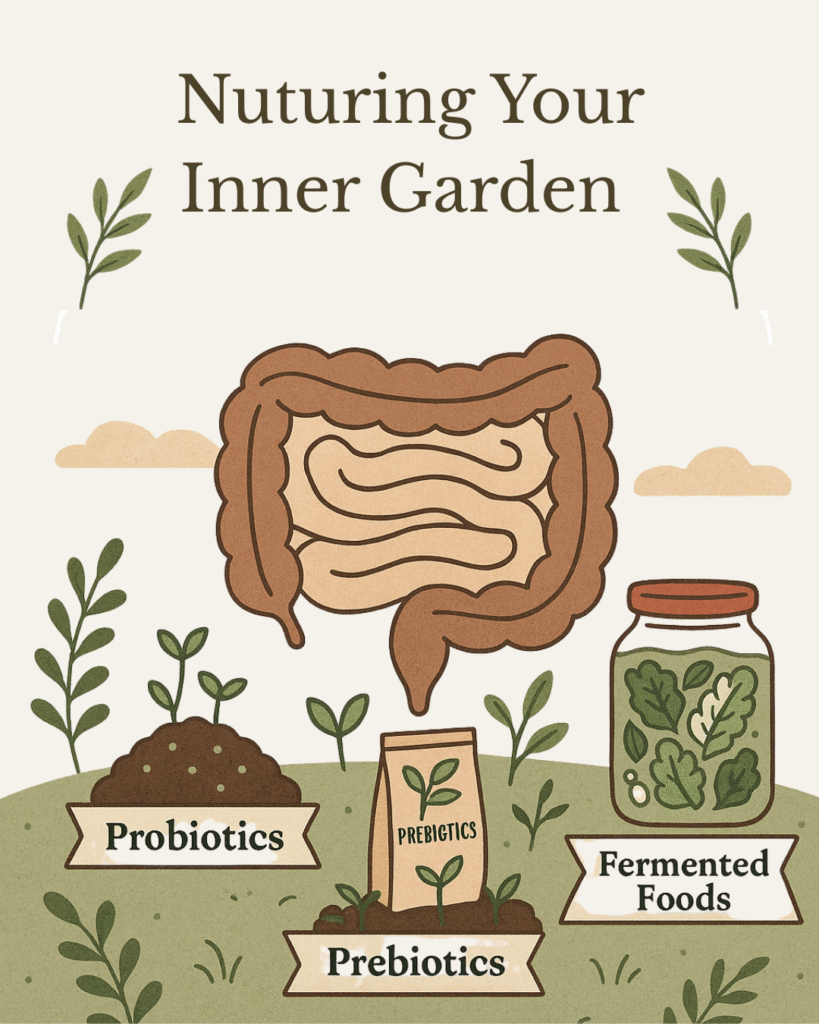
🌿 Probiotics & Prebiotics: Nourishing Your Gut, Naturally
🌱 Nurturing Your Inner Garden: The Power of Probiotics and Prebiotics 🌿
Your gut is the gateway to your health. From mood and immunity to glowing skin and balanced hormones, every system in your body relies on a thriving community of microbes. In this deep-dive, we’ll explore how to cultivate that community naturally: first by enjoying probiotic-rich foods, then by feeding your native cultures with herbal prebiotics. We’ll also cover why live probiotics must stay cold, and why we trust Klaire Labs for best-in-class refrigerated probiotics.
💡 Why Gut Health Matters for the Whole Body
- Immune resilience 🛡️ 70% of your immune cells live in the gut. A balanced microbiome tunes your defenses, helping you ward off seasonal sniffles and chronic inflammation. A healthy gut also helps regulate immune tolerance, reducing the risk of autoimmune flare-ups and allergies.
- Mental-emotional harmony 🧠 The gut-brain axis means your microbiome influences neurotransmitters like serotonin and GABA—key players in mood, focus, and stress response. A nourished gut can help reduce anxiety, support restful sleep, and improve emotional resilience.
- Balanced digestion & elimination 🚽 Diverse probiotics support nutrient absorption, gentle detox, and smooth bowel movements—key pillars of daily comfort and vitality. They also help break down hard-to-digest fibers and reduce bloating, gas, and discomfort.
- Radiant skin & energized metabolism ✨ A healthy gut helps regulate blood sugar, modulate inflammation, and clear toxins that can show up as acne, eczema, or stubborn weight. It also supports thyroid function and hormone balance, which are key to energy, mood, and skin clarity.
🧫 Probiotics: Invite the Living Cultures Home
Instead of reaching straight for a capsule, we believe in first building your gut ecosystem with whole foods. Here are some of our favorite traditional sources:
- Yogurt (raw or grass-fed) 🥣 Look for live, active cultures—Streptococcus thermophilus, Lactobacillus bulgaricus, and others.
- Kefir 🥛 A tangy, drinkable yogurt teeming with 10–15 strains of yeasts and bacteria.
- Sauerkraut & Kimchi 🥬🌶️ Fermented cabbage blends rich in Lactobacillus plantarum; the spicier the kimchi, the more enzymes and heat-loving microbes.
- Kombucha 🍵 Fermented tea loaded with B vitamins, organic acids, and beneficial yeasts.
- Tempeh, Miso & Natto 🍱 Soy-based ferments that pack protein, vitamin K2, and a spectrum of probiotic species.
- Fermented Pickles & Beets 🥒 Picked in brine (not vinegar), they deliver live cultures along with trace minerals from sea salt.
How to enjoy: 😋
- Add a spoonful of sauerkraut or kimchi to your lunch plate.
- Sip kefir or kombucha in the afternoon as an energizing treat.
- Stir miso into soups and sauces for an umami boost.
🌿 Prebiotics: Feed Your Native Flora with Herbal Allies
Once you’ve welcomed probiotics home, prebiotics become the fertilizer that helps them flourish. At Revived by Roots, we lean into gentle, ancestral plants to nurture your inner garden:
Herbal Prebiotic Stars 🌟
- Dandelion Root 🌼 Bitter, detoxifying, and rich in inulin—supports both liver function and microbial growth.
- Marshmallow Root 🍥 Mucilaginous and soothing, it coats the gut lining and feeds beneficial bacteria.
- Chicory Root 🌾 One of the richest inulin sources—ideal for nourishing Bifidobacteria.
- Burdock Root 🧹 Traditional blood purifier that also fosters microbial diversity.
- Slippery Elm 🌳 Gentle, soothing, and prebiotic, it’s perfect during flare-ups of gut irritation.
Food-Based Prebiotics 🥗
- Onions, garlic & leeks
- Asparagus, Jerusalem artichoke & jicama
- Bananas & oats
How to incorporate: 🛠️
- Sip a Dandelion + Marshmallow Tea first thing—our Breathe Deeper Tea combines both for a morning ritual.
- Stir a powdered prebiotic blend into your smoothie or yogurt.
- Use our Prebiotic Root Shaker to sprinkle herbal prebiotics onto meals or snacks: Prebiotic Root Shaker
- Enjoy a spoonful of our Prebiotic Herbal Honey for a sweet and nourishing boost: Prebiotic Herbal Honey
❄️ Live Probiotics Need Cold Chain Integrity
Probiotic supplements are only as good as their viability. If they’re warm, their live cultures die—defeating the purpose.
Why refrigeration matters: 🧊
- Preserves colony counts Heat accelerates microbial die-off. Keeping them cold ensures you receive the CFUs (colony-forming units) promised on the label.
- Maintains strain diversity Different probiotic species have varying temperature sensitivities. A stable cold chain protects the full spectrum.
- Extends shelf life Refrigeration slows metabolic activity in the capsule, preventing them from burning through their own food supply.
Our top recommendation: Klaire Labs Ther-Biotic® Complete 💊
- Professional‐grade potency (12 strains, 25 billion CFUs)
- Always shipped and stored refrigerated
- Rigorous testing and certification for purity
Store your Klaire Labs probiotics at the back of the fridge (away from the door) and pop them straight into a cooler bag if you travel. Never buy from stores with unknown storage practices; always order direct or from a trusted retailer.
🗓️ Building a Daily Gut-Nourishing Ritual
Consistency turns healthy habits into lasting vitality. Here’s a sample day:
🌅 Morning
- 1 cup dandelion-marshmallow tea
- ½ cup kefir stirred into berries
🌞 Midday
- Kimchi or sauerkraut side with lunch
- 1 capsule Klaire Labs Ther-Biotic Complete (refrigerated)
🌤️ Afternoon
- Kombucha sipped during work slump
- Sprinkle Prebiotic Root Shaker onto a snack or meal
🌙 Evening
- Miso soup or tempeh stir-fry
- 1 serving of fermented pickles
- Optional: a spoonful of Prebiotic Herbal Honey
🎉 Bonus: once a week, enjoy a Probiotic Smoothie—banana, oats, berries, and a scoop of prebiotic powder.
🛍️ Revived by Roots’ Gut-Support Essentials
At Revived by Roots, we blend ancestral wisdom with modern sourcing:
- Breathe Deeper Tea 🍵 A prebiotic powerhouse of dandelion and marshmallow.
- New Digestive Aide Capsules 💊 Supporting enzymes plus gentle prebiotics for enhanced breakdown and absorption.
- Prebiotic Root Shaker 🧂 Sprinkle onto meals for easy herbal prebiotic support: Prebiotic Root Shaker
- Prebiotic Herbal Honey 🍯 A sweet and nourishing way to support gut health: Prebiotic Herbal Honey
Pair these with your favorite fermented foods, and you’ll create a thriving internal ecosystem—one that radiates health from the inside out.
🧪 Myth-Busting Gut Health Beliefs
Let’s clear up some common misconceptions that might be holding you back:
- Myth: All probiotics are the same. 🌿 Reality check: Different strains have different benefits. Some support mood, others digestion, and others immunity.
- Myth: You only need probiotics when you’re sick. 🌿 Reality check: Daily use helps maintain balance and prevent issues before they arise.
- Myth: Prebiotics are just fiber. 🌿 Reality check: While many prebiotics are fibrous, herbal prebiotics offer soothing, anti-inflammatory, and immune-supportive benefits too.
- Myth: Refrigerated probiotics are inconvenient. 🌿 Reality check: They’re more potent and reliable—just store them in the fridge and use a cooler bag when traveling.
Your gut is more than digestion—it’s the cornerstone of your vitality, mood, and resilience. By combining probiotic-rich foods, refrigerated supplements from Klaire Labs, and herbal prebiotics, you’re tending to your inner garden with intention and care.
Ready to dive deeper? Explore our Digestive Aide Capsules, Breathe Deeper Tea, Prebiotic Root Shaker, Prebiotic Herbal Honey, and shop Klaire Labs at our online apothecary. Here’s to your thriving microbiome! 🌈
🔗 Shop Gut Support Essentials: https://revivedbyroots.com/collections/digestive-health
🔗 Order Klaire Labs Probiotics:
- Ther-Biotic Complete – Professional Supplement Center
- Ther-Biotic Complete – Natural Healthy Concepts
- Ther-Biotic Complete – OVitaminPro
- Cold Pack Shipping Info – MorNatural
What’s your favorite fermented food? Tag us @RevivedByRoots and share your gut-nourishing ritual!
Happy Healing,
The Revived Crew
🍯 Crafting Herbal Elixirs: Sweet Medicine for Soul and Body
🍷 Herbal Alchemy for Body, Mind & Spirit
In the world of herbal remedies, elixirs are the sweet spot where healing meets ritual. They’re a fusion of tinctures and syrups — potent alcohol extractions softened with honey and infused with energetic purpose. At Revived by Roots, each elixir is handcrafted with herbs chosen for their medicinal value and metaphysical vibration, crafted with care, and poured with mindful intention.
🌿 What Is an Herbal Elixir?
- A base of alcohol-macerated herbs (usually brandy or vodka)
- Mixed with raw honey for flavor, preservation, and energetic sweetness
- Sometimes diluted with spring or distilled water for balance
- Often prepared under moon phases, with accompanying crystals or incantations
These elixirs serve not just the body but the soul, offering support for everything from immunity to emotional grounding.
💫 Meet the Elixirs
🖤 Elderberry Elixir
Herbs: Elderberry, Cinnamon, Astragalus, Ashwagandha, Ginger
Purpose: Immune boosting, adrenal support, and warmth during seasonal shifts
Spiritual Vibe: Protection and fortification; best crafted during waxing moons for growing strength
“This blend wraps you in botanical armor—rich, spicy, and sweet with ancient elder magic.”
🩺 Cough Elixir
Herbs: Fennel, Wild Cherry Bark, Licorice Root, Osha Root, Mullein Leaf, Valerian, Marshmallow Root, Ginger, Orange
Purpose: Respiratory relief, throat soothing, calming cough spasms
Spiritual Vibe: Breath-centered alignment, grounding to the root
“Each drop opens airways and softens tension—like breathing in orange-kissed mountain air.”
🌙 Anxiety Relief Elixir
Herbs: Hawthorn Berries, Blue Vervain, Motherwort, Astragalus, Ashwagandha, Kava Kava
Purpose: Nervous system support, heart opening, emotional regulation
Spiritual Vibe: Lunar gentleness and heart-led clarity, best made on new or full moons
“A heart-hug in herbal form. Grounding, gentle, and blooming with quiet confidence.”
🌱 Craft Your Own Herbal Elixirs
🌟 Ingredients
- Herbs: Choose herbs based on their medicinal and spiritual properties.
- Alcohol: Use brandy or vodka for maceration.
- Honey: Raw honey adds flavor and preservation.
- Spring or Distilled Water: Optional for dilution.
🛠️ Tools
- Glass jars with lids
- Cheesecloth or fine strainer
- Measuring cups and spoons
- Labels and markers
🧪 Steps
- Prepare Herbs: Chop or crush herbs to release their properties.
- Macerate: Place herbs in a jar and cover with alcohol. Seal and store in a cool, dark place for 4-6 weeks.
- Strain: Use cheesecloth to strain the liquid into a clean jar.
- Sweeten: Mix in raw honey to taste.
- Dilute: Add spring water if desired.
- Bottle: Transfer to smaller bottles, label, and store.
🌕 Tips
- Work with moon phases for added intention.
- Incorporate crystals or incantations during preparation.
- Research contraindications for chosen herbs.
🌌 Closing Thoughts
Making herbal elixirs isn’t just a process—it’s a sacred act. It’s setting intention, inviting the plant spirits to dance, and bottling their rhythms with care. Whether taken by dropper or spoonful, these blends invite the body back into rhythm and the spirit back into flow.
Tinctures: Liquid Wisdom of the Plants
🌿 Tinctures: Liquid Wisdom of the Plants
What Is a Tincture?
A tincture is a concentrated herbal extract made by soaking herbs in alcohol or glycerin. Over time, the solvent pulls the beneficial constituents from the plant, creating a powerful elixir that’s easy to dose and deeply effective.
- Alcohol-based tinctures are fast-acting, have a long shelf life, and are generally more potent.
- Glycerin-based tinctures offer a sweeter, alcohol-free option for children or those sensitive to spirits, though they are typically less concentrated than alcohol-based tinctures.
A Brief History of tinctures
Tinctures have roots that stretch back thousands of years. Ancient Egyptian texts describe herbal extraction methods as early as 1500 BCE, and herbalists across cultures—from Traditional Chinese Medicine to Greco-Roman healing—have long used alcohol and wine to pull medicinal compounds from plants.
Their popularity surged during the European Middle Ages, when monastic apothecaries preserved plant wisdom through tinctures. By the 18th and 19th centuries, they became staples in Western medicine, often found in every doctor’s bag before pharmaceutical pills took the spotlight.
Why Use Tinctures?
Tinctures allow you to:
- Tap into herbal healing quickly with just a few drops.
- Support your wellness goals—whether it’s calming nerves, boosting immunity, or easing digestion.
- Carry plant allies with you, wherever life takes you.
The Revived by Roots Approach 🌱
At Revived by Roots, each tincture is crafted with:
- Ancestral knowledge, intuitively designed and rooted in time-honored practices.
- Spiritual intention, infused with mindful practices and reverence for the plants’ natural cycles.
- Organic and wildcrafted herbs, ethically sourced to honor the earth.
We treat our tinctures not just as remedies—but as allies on your healing journey.
🌙 Moonlit Guidance and the Herbal Path
It began beneath a full moon, when ritual and intuition intertwined. I had lit candles, brewed tea, and called in my spirit guides—not with desperation, but with quiet trust. I asked how to deepen this work… how to move beyond treating symptoms and begin truly healing our people.
The answer came gently, not as words, but as knowing: Start with the herbs. Start with remembrance.
That night, I blended mugwort, lavender, and vitex under the moonlight, each herb guided by its own wisdom. The tincture became a living prayer—crafted to nourish the feminine, to soothe the nervous system, and to unlock intuitive clarity. It was the beginning of the shift—from quick fixes to long-term wellness, from medicine cabinets to sacred apothecaries.
Now, every bottle carries the energy of that moment. These tinctures aren’t just herbal remedies—they’re invitations to come home to ourselves. To honor nature, spirit, and community with every drop.
How to Use Them
- Add to tea or water for a gentle infusion.
- Place directly under the tongue for rapid absorption.
- Include in ritual practices or incantations to amplify spiritual work.
A Typical Dosage
- 1.5 mL up to 3x/day
- 1/2 tsp of tincture (about 30 drops or 1.5 mL) is equal to drinking a cup of tea
A Peek Inside the Apothecary 🔮
| Tincture Name | Purpose | Key Herbs |
|---|---|---|
| Mental Clarity | Eases anxiety and mental fog | Lion’s Mane, Rhodiola, & Ginkgo |
| Immunity Boost | Boosts immune resilience | Astraglaus, Echinacea, & Turkey Tail |
| I Am Fertile! | Balances hormones & supports menstruation | Angelica, Vitex, & Wild Yam |
Safety Notes
We believe transparency is vital. Each tincture on our site includes:
- Usage guidance
- Energetic and physical benefits
- It is important for you to do your own research regarding the safety and contraindications of herbs. If you are nursing, pregnant, or taking pharmaceuticals there is a chance that some herbs will not be suitable for you.
Reviving Traditions: The Healing Story of Red Clover
Reviving Traditions: The Healing Story of Red Clover
For centuries, herbalists have turned to red clover (Trifolium pratense) for its ability to cleanse, restore, and balance the body. This vibrant, pinkish-purple blossom carries a wealth of traditional wisdom, offering benefits from hormonal support to respiratory relief. As we rediscover the healing potential of nature, red clover stands as a powerful ally in holistic wellness.
A Brief History of Red Clover
Red clover’s medicinal use dates back thousands of years, intertwining with folk traditions across Europe, Asia, and North America. Ancient healers recognized its ability to purify the blood, promote lymphatic health, and ease respiratory ailments.
- Traditional Chinese Medicine (TCM): Used red clover for its cooling and detoxifying properties, often incorporating it into blends to cleanse the body.
- Ayurvedic Medicine: Regarded red clover as a restorative herb, especially for women’s health, promoting balance and rejuvenation.
- Native American Healing Practices: Utilized red clover to treat coughs, skin conditions, and inflammation, incorporating it into teas and poultices.
- European Herbalism: Treasured red clover for its ability to support circulation, alleviate joint pain, and encourage long-term vitality.
Today, scientific studies have begun confirming many of these traditional uses, highlighting red clover’s powerful plant compounds—especially isoflavones, which mimic estrogen and support hormonal harmony.
Medicinal Benefits of Red Clover
Red clover’s nutrient profile makes it a versatile herbal ally. Here’s how it works in the body:
🌿 Hormonal Balance & Menopausal Support
Rich in phytoestrogens, red clover helps regulate estrogen levels, easing symptoms like hot flashes and supporting bone health in postmenopausal women.
🌿 Lymphatic & Detox Support
Known as a “blood purifier,” red clover stimulates lymphatic flow, helping the body remove toxins. This makes it especially beneficial for clearing skin, reducing inflammation, and supporting detox pathways.
🌿 Respiratory & Immune Function
Red clover has traditionally been used to ease coughs, clear mucus, and support lung health. Its anti-inflammatory and antimicrobial properties make it a wonderful herb for seasonal wellness.
🌿 Heart & Circulatory Health
Studies suggest red clover helps reduce cholesterol, enhance blood circulation, and promote overall cardiovascular well-being.
How to Use Red Clover
Red clover is incredibly versatile, allowing for many methods of preparation:
- Tea & Infusions: Gentle and nourishing, perfect for daily use.
- Tinctures & Extracts: A concentrated form for deeper therapeutic effects.
- Poultices & Salves: Used topically for skin conditions and wound healing.
- Capsules & Supplements: A convenient way to incorporate red clover into a wellness routine.
Red Clover in Our Products
At Revived by Roots, we deeply respect the wisdom of red clover and harness its benefits in our handcrafted herbal blends.
✨ Lymphatic Flush Tea – A detoxifying blend that supports lymphatic drainage and purification.
✨ Revitalize Tea – Crafted to restore balance and nourish the body from the inside out.
✨ Breathe Deeper Tea – A powerful lung-support blend, easing congestion and respiratory discomfort.
Each of these blends includes red clover, offering its potent cleansing and healing properties to enhance your wellness journey.
DIY Red Clover Tea & Tincture
Create your own herbal remedies at home with these simple recipes!
Red Clover Tea Blend
This tea supports detoxification, hormonal balance, and overall vitality.
🔸 Ingredients:
- 2 tsp dried red clover blossoms
- 1 tsp dried nettle leaves (for blood cleansing & nourishment)
- 1 tsp dried spearmint (for a refreshing touch)
- 1 cup hot water
- Honey (optional)
🔹 Instructions:
- Combine red clover, nettle, and spearmint in a tea strainer or teapot.
- Pour hot water over the herbs and steep for 10–15 minutes.
- Strain and enjoy, adding honey if desired.
Red Clover Tincture Blend
This tincture is a potent extract for hormonal and detox support.
🔸 Ingredients:
- 1 cup dried red clover blossoms
- ½ cup dried burdock root (supports liver detox & circulation)
- ½ cup dried dandelion root (enhances cleansing effects)
- 2 cups 80-proof vodka or brandy
- Glass jar with tight-fitting lid
🔹 Instructions:
- Place dried herbs in a clean glass jar.
- Pour alcohol (40%) over the herbs, ensuring they are fully submerged.
- Seal the jar and store in a dark, cool place for 4–6 weeks, shaking gently every few days.
- Strain the mixture and store the tincture in a dropper bottle for easy use.
How to Use Your DIY Creations
- Tea: Enjoy daily for gentle cleansing and nourishment.
- Tincture: Take 30–60 drops (about 1–2 dropperfuls) diluted in water, up to twice daily.]
Refreshing Herbal Drink Recipes: Solar & Lunar Cold Infusions for Summer
Refreshing Herbal Drink Recipes: Solar & Lunar Cold Infusions for Summer
Summer calls for cool, refreshing herbal infusions that not only hydrate but also nourish the body. Cold infusions allow herbs to steep gently, preserving their delicate flavors and medicinal properties.
Before diving into the recipes, let’s explore the magic of sun and moon infusions—two beautiful ways to harness natural energy in your herbal drinks.
Sun & Moon Infused Teas
🌞 Sun Infusion:
A solar tea is brewed by placing herbs in a glass jar of water and letting them steep under direct sunlight for 4-6 hours. The sun’s warmth gently extracts flavors and nutrients, creating a light, refreshing infusion.
🌙 Moon Infusion:
A lunar tea is prepared by steeping herbs overnight under the moonlight. This method is believed to infuse calming, intuitive energy into the tea, making it perfect for relaxation and reflection.
How to Make:
- Fill a glass jar with filtered or distilled water (distilled will last longer) and add your chosen herbs.
- Cover loosely and place in direct sunlight (for sun tea) or under the moon (for moon tea).
- After steeping, strain and enjoy chilled or over ice.
Cold Infusion Recipes
1. Lemon Balm & Citrus Bliss
A bright, uplifting infusion that soothes the nerves and refreshes the senses.
Ingredients:
- ½ cup fresh lemon balm leaves
- 2 slices orange
- 2 slices lemon
- 1 teaspoon raw honey (optional)
- 4 cups filtered water
Instructions:
- Place lemon balm, orange, and lemon slices in a glass jar.
- Fill with cold water and let infuse overnight in the fridge or under the moon.
- Strain and serve over ice with a sprig of fresh mint.
Benefits:
- Reduces stress and anxiety – Lemon balm promotes relaxation and eases tension.
- Supports digestion – Helps soothe an upset stomach and aids digestion.
- Boosts cognitive function – May enhance memory and focus.
- Provides antioxidant benefits – Citrus fruits add vitamin C, supporting immune health.
2. Iced Peppermint Rose Tea
A cooling, floral blend perfect for hot summer days.
Ingredients:
- 2 tablespoons peppermint leaves
- 1 tablespoon rose petals
- 1 teaspoon hibiscus (optional, for color)
- 4 cups filtered water
- 1 teaspoon maple syrup (optional)
Instructions:
- Add peppermint, rose petals, and hibiscus to a glass jar.
- Fill with cold water and let infuse for 6-8 hours in the sun.
- Strain and serve over ice, garnished with fresh rose petals.
Benefits:
- Aids digestion – Peppermint relieves bloating, gas, and indigestion.
- Supports respiratory health – Peppermint’s menthol clears congestion.
- Reduces stress and tension – Rose petals have calming effects.
- Provides skin-enhancing antioxidants – Rose is rich in vitamin C, supporting healthy skin.
3. Lavender & Chamomile Serenity
A gentle, calming infusion that promotes relaxation and stress relief.
Ingredients:
- 1 tablespoon dried lavender flowers
- 1 tablespoon chamomile flowers
- 1 teaspoon vanilla extract (optional)
- 4 cups filtered water
- 1 teaspoon honey (optional)
Instructions:
- Combine lavender and chamomile in a glass jar.
- Fill with cold water and let infuse overnight under the moon.
- Strain and serve chilled, with a splash of vanilla for extra depth.
Benefits:
- Promotes restful sleep – Chamomile and lavender enhance sleep quality.
- Reduces anxiety and tension – Helps calm the nervous system.
- Supports digestion – Chamomile soothes the digestive tract.
- Provides anti-inflammatory benefits – Both herbs help reduce inflammation.
4. Marshmallow Root & Mint Soother
A cooling, soothing infusion that supports digestion and hydration.
Ingredients:
- 2 tablespoons marshmallow root
- 1 tablespoon fresh mint leaves
- 1 teaspoon raw honey (optional)
- 4 cups filtered water
Instructions:
- Place marshmallow root and mint leaves in a glass jar.
- Fill with cold water and let infuse overnight in the fridge.
- Strain and serve chilled, with a drizzle of honey if desired.
Benefits:
- Soothes digestion – Marshmallow root coats and protects the digestive tract.
- Supports hydration – Helps retain moisture in the body.
- Calms inflammation – Reduces irritation in the gut and respiratory system.
- Promotes relaxation – Mint adds a refreshing, calming effect.
Important Note:
Marshmallow root is best steeped in cold water rather than hot, as heat can break down its mucilaginous (gel-like) properties, reducing its effectiveness.
5. Hawthorn Leaf & Berry Heart Tonic
A heart-supporting infusion that promotes circulation and cardiovascular health.
Ingredients:
- 2 tablespoons hawthorn berries
- 1 tablespoon hawthorn leaves
- 1 teaspoon cinnamon (optional)
- 4 cups filtered water
Instructions:
- Place hawthorn berries and leaves in a glass jar.
- Fill with cold water and let infuse for 6-8 hours in the sun.
- Strain and serve over ice, with a sprinkle of cinnamon for warmth.
Benefits:
- Supports heart health – Hawthorn strengthens the cardiovascular system.
- Improves circulation – Helps regulate blood pressure and blood flow.
- Provides antioxidant protection – Rich in flavonoids that combat oxidative stress.
- Aids digestion – Hawthorn has mild digestive benefits.
Cold infusions are a simple, beautiful way to enjoy herbs while staying cool and hydrated. Whether you choose a sun tea for energy or a moon tea for relaxation, these recipes bring nature’s healing power into every sip.
Herbal Chakras: What to Drink for Spiritual Balance
Herbs for Chakras: What to Drink for Spiritual Balance
The chakra system represents the seven energy centers in the body, each influencing different aspects of physical, emotional, and spiritual well-being. Herbs have been used for centuries to balance and activate chakras, helping to restore harmony and deepen connection to oneself.
Root Chakra (Muladhara) – Grounding & Stability
The Root Chakra governs security, stability, and connection to the Earth. When balanced, it fosters inner strength and resilience.
Herbs for the Root Chakra:
- Dandelion Root – Supports grounding and detoxification.
- Burdock Root – Strengthens physical endurance and stability.
- Ashwagandha – Helps reduce stress and promote emotional security.
Drink: Earthy Root Tea – Brew dandelion, burdock, and ashwagandha for a deeply grounding infusion.
Sacral Chakra (Swadhisthana) – Creativity & Passion
The Sacral Chakra governs creativity, pleasure, and emotional expression. When balanced, it enhances joy and sensuality.
Herbs for the Sacral Chakra:
- Hibiscus – Encourages passion and emotional flow.
- Damiana – Supports sensual energy and creativity.
- Cinnamon – Stimulates warmth and vitality.
Drink: Sensual Elixir – Brew hibiscus, damiana, and cinnamon for a sweet, energizing tea.
Solar Plexus Chakra (Manipura) – Confidence & Personal Power
The Solar Plexus Chakra governs self-esteem, motivation, and personal power. When balanced, it fosters confidence and inner strength.
Herbs for the Solar Plexus Chakra:
- Ginger – Boosts energy and digestion.
- Turmeric – Supports clarity and empowerment.
- Peppermint – Encourages mental focus and motivation.
Drink: Golden Power Tea – Brew ginger, turmeric, and peppermint for a bold, invigorating infusion.
Heart Chakra (Anahata) – Love & Compassion
The Heart Chakra governs love, compassion, and emotional healing. When balanced, it fosters deep connection and harmony.
Herbs for the Heart Chakra:
- Rose – Opens the heart to love and emotional healing.
- Hawthorn – Strengthens heart energy and circulation.
- Basil – Encourages emotional balance and warmth.
Drink: Heart-Opening Tea – Brew rose, hawthorn, and basil for a soothing, heart-centered infusion.
Throat Chakra (Vishuddha) – Communication & Expression
The Throat Chakra governs self-expression, truth, and communication. When balanced, it fosters clarity and confidence in speaking.
Herbs for the Throat Chakra:
- Licorice Root – Supports throat health and vocal clarity.
- Rosemary – Encourages clear communication and mental sharpness.
- Lemon Balm – Helps ease tension and promote calm expression.
Drink: Clear Voice Tea – Brew licorice root, rosemary, and lemon balm for a refreshing, throat-soothing infusion.
Third Eye Chakra (Ajna) – Intuition & Insight
The Third Eye Chakra governs intuition, wisdom, and spiritual awareness. When balanced, it enhances clarity and perception.
Herbs for the Third Eye Chakra:
- Blue Lotus – Supports dream states and intuitive awareness.
- Mugwort – Enhances lucid dreaming and psychic insight.
- Ginkgo – Improves mental clarity and focus.
Drink: Visionary Tea – Brew blue lotus, mugwort, and ginkgo for a deeply meditative infusion.
Crown Chakra (Sahasrara) – Spiritual Connection & Enlightenment
The Crown Chakra governs higher consciousness, wisdom, and divine connection. When balanced, it fosters inner peace and enlightenment.
Herbs for the Crown Chakra:
- Lavender – Encourages calm and spiritual clarity.
- Holy Basil – Supports mental expansion and divine connection.
- Gotu Kola – Enhances meditative awareness and wisdom.
Drink: Sacred Clarity Tea – Brew lavender, holy basil, and gotu kola for a tranquil, spiritually uplifting infusion.
By incorporating chakra-balancing herbal teas into your daily routine, you can enhance spiritual alignment, emotional healing, and energetic flow.